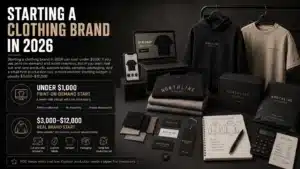
Introduction to Starting Your Clothing Brand
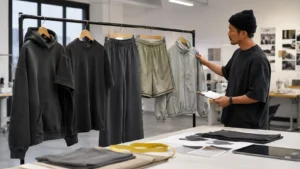
As a streetwear manufacturing expert and fashion trend designer with years in the trenches of urban apparel production, I’ve seen countless aspiring entrepreneurs turn raw ideas into thriving labels. Whether you’re an independent brand owner in the US or Europe aiming for DTC e-commerce dominance, a mature mid-tier label seeking innovative collaborations, or a cross-industry newcomer diving into custom merch or co-branded drops, starting a clothing brand isn’t just about sketches—it’s about solving real-world hurdles like sourcing sustainable fabrics, slashing production costs, and nailing a reliable supply chain.
This guide optimizes the classic beginner’s blueprint by zeroing in on practical, actionable strategies tailored for today’s fast-paced market. We’ll cover everything from validating your niche to scaling with OEM/ODM partners, ensuring you avoid common pitfalls and build a brand that resonates.
First off, dive deep into market research. Define your target audience: urban millennials valuing sustainability? High-income streetwear enthusiasts craving limited-edition drops? Ask about their lifestyles, income brackets, shopping habits, and preferred aesthetics. Use tools like Google Trends or social listening on platforms like Instagram to spot gaps—maybe eco-friendly hoodies with acid-wash effects are underserved.
Validate ideas lean: create prototypes via print-on-demand, run pre-order campaigns, and gather feedback before committing to bulk. This minimizes risk and refines your offerings based on data, not guesses.

Designer Annika Thiems keeps it surreal | THE WORLD OF INTERIORS
Niche Selection and Business Planning for Your Clothing Line
Choosing your niche is where many falter—don’t be vague. Pinpoint what sets you apart: streetwear with tech-integrated fabrics for active urbanites? Or custom sets for cross-brand collaborations? Align this with your business model. For startups, start with print-on-demand to test waters with low upfront costs ($500–$2,000), then shift to cut-and-sew for control over quality and margins. Mature brands might opt for private-label to innovate without in-house hassles.
Craft a solid business plan: outline 3–5 initial styles, budget for samples, and set pricing with a 2.5–3x markup on costs (materials + production + shipping). Factor in sustainability—consumers pay 10–20% more for ethical sourcing. Legal setup? Begin as a sole proprietor to test, then form an LLC for protection once revenue hits $10K monthly. Consult a tax advisor early to navigate tariffs, especially for EU/US imports.
Cost control starts here: benchmark competitors and negotiate with suppliers. For instance, when selecting fabrics, compare options to balance quality and budget.
| Fabric Type | Cost per Yard | Durability | Applicable Scenarios | Sustainability |
|---|---|---|---|---|
| Organic Cotton | $8–$12 | High | Everyday streetwear like tees and hoodies | Eco-friendly, biodegradable |
| Polyester Blend | $4–$7 | Medium | Activewear sets for quick-dry needs | Recyclable but less breathable |
| Recycled Nylon | $10–$15 | High | Outerwear for urban explorers | Sustainable, reduces waste |
Design and Material Selection: Crafting Your Vision
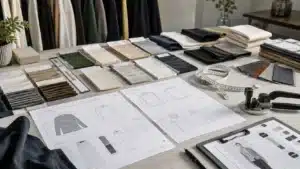
Design isn’t just art—it’s engineering for production. Develop tech packs: detailed specs on seams, zippers, and fits to avoid manufacturing mishaps. As a designer, I recommend starting with mood boards reflecting your brand’s vibe—bold graphics for streetwear or minimalist lines for mid-tier maturity.
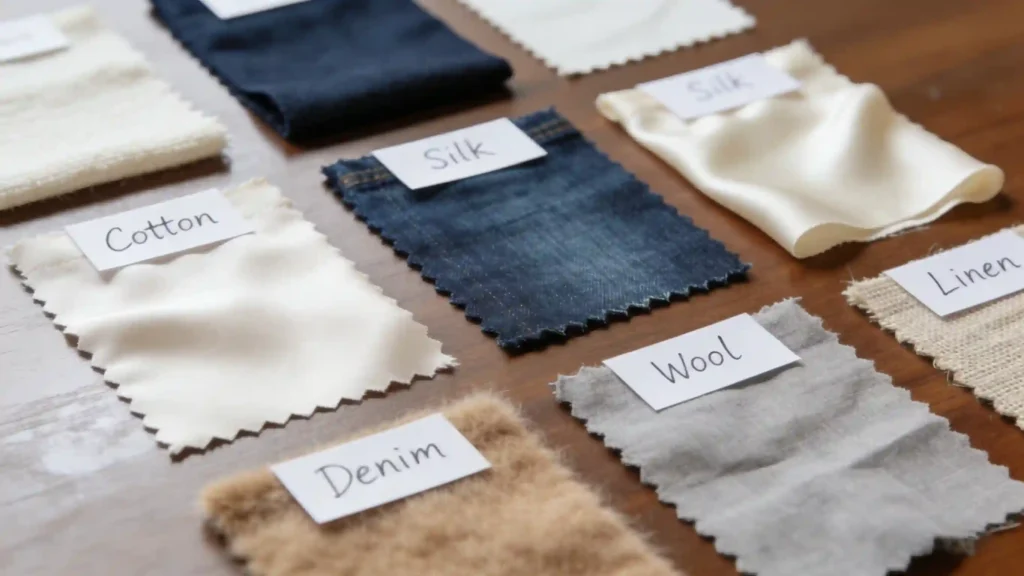
Material choice impacts costs and appeal. Prioritize breathable, durable fabrics like French terry for hoodies (costs $6–$10/yard) over cheap synthetics that pill after washes. For cross-boundary newbies, incorporate innovative elements like reflective prints for co-branded safety gear. Test samples rigorously: order small runs to check shrinkage (aim <5%) and colorfastness.
Craft choices matter too—screen printing for vibrant graphics ($2–$5/unit) vs. embroidery for premium feel ($3–$7/unit). Balance with MOQs: low-volume partners allow 30–50 pieces, ideal for testing.
| Printing Technique | Cost per Unit | Quality Level | Best For | Drawbacks |
|---|---|---|---|---|
| Screen Printing | $2–$5 | Medium-High | Bulk graphics on tees | Setup fees for small runs |
| DTG (Direct-to-Garment) | $5–$10 | High | Detailed, full-color designs | Slower for large orders |
| Embroidery | $3–$7 | Premium | Logos on hoodies/caps | Limited to small areas |
Use this to decide: screen for cost-effective street drops, DTG for intricate patterns in DTC lines.
Manufacturing and Supply Chain Optimization
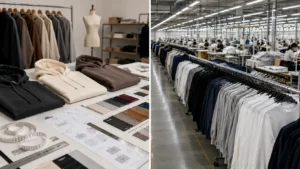
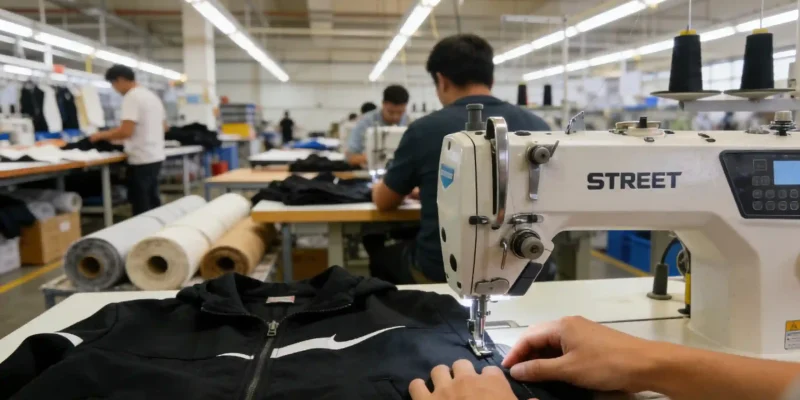
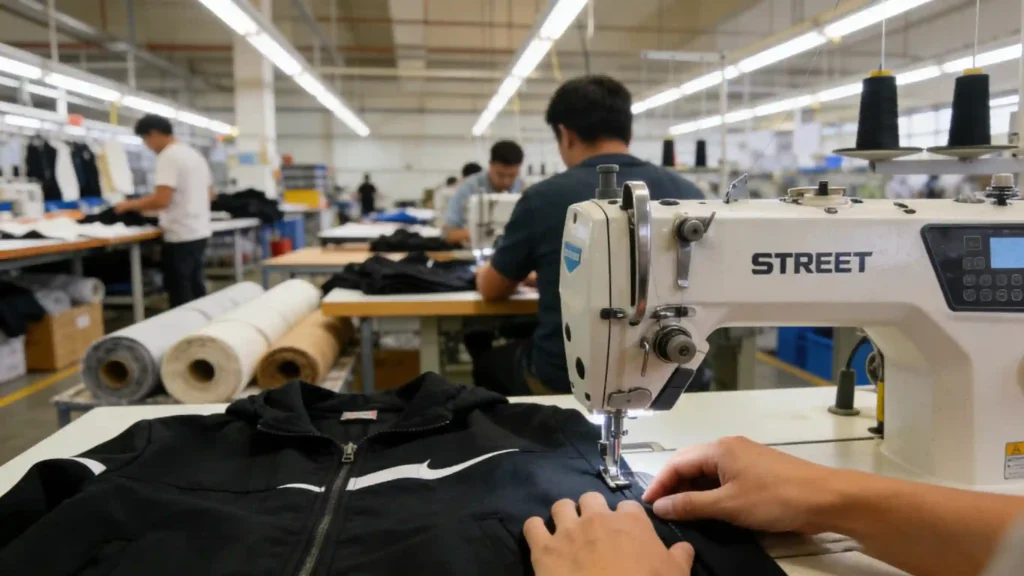
Finding the right manufacturer is game-changing. Communicate specs clearly, request samples, and visit virtually if overseas. For independent brands, seek OEM/ODM experts who handle design tweaks and production—saving you time on R&D. Start small: 50–100 units to gauge quality, with lead times under 4 weeks for quick market entry.
Cost control in manufacturing: negotiate bulk discounts (10–20% off for 200+ pieces) and sync with reliable logistics to cut shipping fees. For mature partners, integrate innovations like 3D sampling to reduce waste. Cross-industry folks, outsource full-process: from sourcing to fulfillment.
Avoid red flags: poor communication or inconsistent samples. Build backups—have 2–3 suppliers for resilience. Optimize by aligning timelines: pre-plan drops around peak seasons like back-to-school for streetwear hype.
In my experience, stable supply chains hinge on low MOQ partners like those offering custom acid-washed t-shirts streetwear (linked to https://heziapparel.com/product/custom-acid-washed-t-shirts-streetwear/), enabling rapid iterations without overstock.
Branding, Marketing, and Sales Strategies
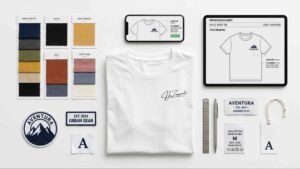
Branding builds loyalty: consistent visuals, tone, and packaging scream your identity. For e-commerce DTC, use storytelling—share behind-the-scenes on socials to connect.
Marketing: pre-launch buzz via Instagram teasers, email lists for pre-orders. Post-launch, leverage influencers for authentic reach (budget $500–$2K per collab). Track metrics: aim for 20% conversion from ads. For mid-tier, focus on pop-ups and wholesaling.
Sales: Set up Shopify for seamless DTC, handle returns efficiently (under 10% rate goal). Scale with data—restock bestsellers, expand channels.
FAQ: Common Questions on Starting a Clothing Brand
Q: What’s the minimum budget to launch?
A: $2,000–$5,000 for basics via print-on-demand; $10K+ for custom with inventory.
Q: How do I find reliable suppliers?
A: Vet via samples, references, and platforms like Alibaba, but prioritize OEM specialists for quality.
Q: Should I focus on sustainability?
A: Yes—use recycled materials to appeal to 70% of Gen Z buyers, per industry reports from Fashion Revolution (linked to https://www.fashionrevolution.org/).
Q: What’s the best way to control costs?
A: Negotiate, start small, and monitor margins monthly.
Q: How long until profitability?
A: 6–12 months with smart marketing and low overhead.
Conclusion: Expert Insights from Production Pros
Wrapping up, starting a clothing brand demands grit, but focusing on practical fixes like smart material picks and tight cost reins sets you up for success. From my vantage at Hezi Apparel, with decades in OEM/ODM, the ultimate tip is partnering with a full-service manufacturer early. They handle select materials, optimize crafts for efficiency, and provide stable supply chains—freeing you to innovate. Trends point to hyper-personalization and sustainable drops; expect AI-driven designs and micro-batches dominating 2026.
A pro like Hezi can realize this: from acid-washed hoodies (check our acid-washed hoodie at https://heziapparel.com/product/acid-washed-hoodie/) to full custom lines, we offer low MOQs and fast turns for DTC hustlers or collab seekers. Reach out via our contact us page to turn your vision into wearable reality. Your brand’s future starts with the right production ally.