
Introduction to Sourcing Reliable Garment Manufacturers in China
As a street brand manufacturing expert and clothing trend designer with years immersed in the fast-paced world of urban fashion, I’ve seen countless indie brand owners from the US and Europe struggle with supply chain headaches. Whether you’re a DTC e-commerce hustler needing quick, stable production runs, a mature mid-end brand seeking innovative collaborations, or a cross-boundary newbie diving into联名 projects or corporate customizations, finding a reliable garment manufacturer in China can be a game-changer. China dominates global apparel production, offering unmatched scalability, cost efficiency, and access to cutting-edge fabrics and techniques. But the key is balancing reasonable prices, high-quality products, and low minimum order quantities (MOQs)—often starting as low as 50-100 pieces for startups.
In this guide, we’ll dive into actionable strategies to vet and partner with manufacturers who deliver on these fronts. We’ll focus on solving real-world problems like selecting the right materials to hit your quality targets without blowing budgets, controlling costs through smart negotiations, and choosing crafts that align with streetwear trends like oversized fits or acid washes. By the end, you’ll have the tools to build a partnership that fuels your brand’s growth.
Step-by-Step Guide to Identifying Trustworthy Manufacturers
Start your search on established B2B platforms like Alibaba, Made-in-China, or Global Sources. These sites let you filter for “low MOQ garment manufacturers in China” and review supplier profiles, including certifications like BSCI or OEKO-TEX for ethical and quality standards. Look for factories specializing in your niche—streetwear, activewear, or custom sets—and request detailed quotes early. Don’t overlook Reddit threads or Quora discussions where brand owners share real experiences; for instance, many recommend focusing on Guangzhou or Hangzhou regions for trendy, fast-turnaround production.
Once you have leads, verify credentials rigorously. Check for factory audits, client testimonials, and third-party inspections. A reliable manufacturer should provide samples quickly—aim for 7-14 days—and offer transparent communication via WeChat or email. For low MOQ options, target factories with flexible production lines that cater to small brands, avoiding those locked into high-volume fast fashion.

Mastering Material Selection for Quality and Cost Balance
Material choice is where many brands falter—pick wrong, and you end up with fading colors or uncomfortable fits that kill customer loyalty. For streetwear, prioritize durable, trend-aligned fabrics like heavyweight cotton (300-500 GSM) for hoodies or breathable blends for tees. When sourcing from China, opt for eco-friendly options like organic cotton or recycled polyester to appeal to conscious consumers in the US and EU.
To control costs, compare fabric types based on parameters like durability, price per yard, and suitability. Here’s a clear comparison table:
| Fabric Type | Parameters (Weight, Durability) | Cost per Yard (USD) | Applicable Scenarios |
|---|---|---|---|
| Cotton | 180-300 GSM, High breathability, Medium durability | 2-4 | Everyday tees, casual streetwear; ideal for low MOQ runs due to availability. |
| Polyester Blend | 200-400 GSM, High durability, Quick-dry | 1.5-3 | Active street sets; cost-effective for bulk but watch for pilling in low-quality variants. |
| Organic Cotton | 250-500 GSM, Eco-friendly, Soft hand-feel | 3-5 | Premium indie brands; higher cost but justifies premium pricing in DTC models. |
| Fleece | 300-500 GSM, Warm, High durability | 4-6 | Hoodies and sweatshirts; suits mature brands seeking innovation in textures. |
For deeper insights on fabric trends, check out this guide to sustainable materials from the Textile Exchange website
Effective Cost Control Techniques in Garment Production
Cost control isn’t just about haggling prices—it’s about optimizing every step. With Chinese manufacturers, negotiate based on volume: low MOQ (50-200 pieces) often means higher per-unit costs (e.g., $10-15 for a custom tee), but scaling to 500+ can drop it to $5-8. Factor in hidden fees like sampling ($50-100), shipping, and duties—use Incoterms like FOB to clarify responsibilities.
Bundle services for savings: Choose OEM/ODM partners who handle design tweaks, patterning, and even labeling in-house. For cross-boundary newbies, full-process hosting—from concept to shipping—can cut overheads by 20-30%. Monitor raw material fluctuations; locking in prices early avoids surprises.
In my experience, mature brands benefit from co-developing innovations, like integrating tech fabrics for weather-resistant streetwear, which justifies slight cost upticks for higher sell-through rates.

Choosing the Right Crafts and Processes for High-Quality Output
Craft selection defines your product’s edge. For high-quality streetwear, techniques like cut-and-sew ensure precise fits, while screen printing or embroidery adds custom flair. In China, factories excel in advanced processes like acid washing for vintage looks or puff printing for bold graphics—perfect for indie brands pushing trends.
Balance quality with cost: Digital printing is pricier ($2-4 extra per piece) but offers low MOQ flexibility and vibrant colors without setup fees. Traditional sewing lines guarantee durability but require skilled labor; insist on factories with ISO 9001 certification for consistency.
For e-com brands needing speed, prioritize manufacturers with automated cutting for faster turnarounds (15-30 days). Cross-boundary projects? Opt for those experienced in IP protection and collaborative R&D to innovate without risks.
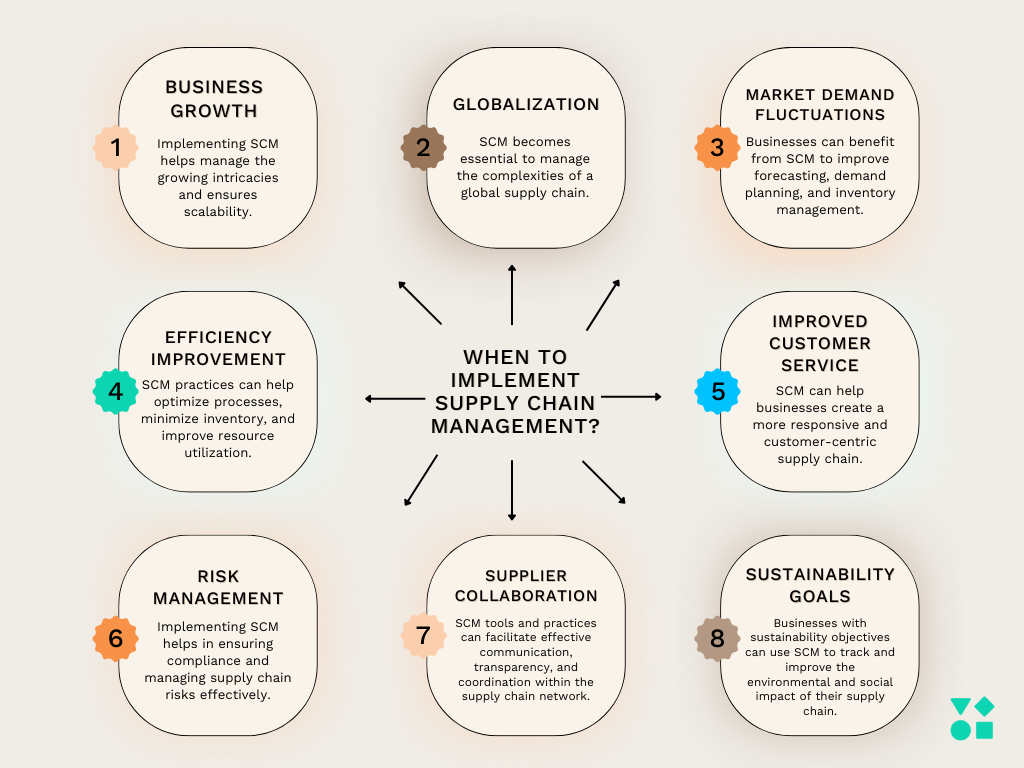
To visualize, consider this process flowchart: From design approval to final QC, each step ensures quality.
Implementing Quality Assurance and Supply Chain Stability
Quality isn’t negotiable—poor stitching or inconsistent sizing can tank your reputation. Demand pre-production samples and conduct AQL (Acceptable Quality Limit) inspections; reliable manufacturers offer third-party options like Intertek.
For stable supply chains, vet for redundancy: Factories with multiple lines handle disruptions better. DTC brands, focus on those with e-logistics integrations for real-time tracking.

FAQ: Common Questions on Sourcing Garment Manufacturers in China
What is a typical low MOQ for Chinese garment manufacturers?
It ranges from 50-300 pieces per style, depending on complexity. Startups can find options as low as 30 pieces with specialized streetwear factories.
How do I ensure high quality without visiting the factory?
Request video tours, samples, and certifications. Use agents or platforms for on-site audits.
What are reasonable prices for custom apparel?
Expect $5-20 per piece for tees/hoodies, varying by material and quantity. Negotiate for bulk discounts.
How long are lead times?
7-14 days for samples, 20-45 days for production—faster for low MOQ partners.
Conclusion: Future Trends and Partnering with Expert Manufacturers
Drawing from Hezi Apparel’s extensive OEM/ODM experience, the ultimate trend judgment is clear: The future belongs to agile, sustainable manufacturing. With rising demands for eco-materials and rapid prototyping, brands must partner with factories that integrate AI-driven design and green supply chains to stay ahead. Low MOQ isn’t just about accessibility—it’s about testing markets swiftly in a volatile fashion landscape.
A professional manufacturer like Hezi Apparel can realize these needs by offering end-to-end solutions: From 30-piece MOQs for startups to innovative collaborations for mature brands. We handle material sourcing, cost-optimized crafts, and full hosting for newbies, ensuring high quality at reasonable prices. Ready to elevate your line? Explore our custom services and let’s build something iconic.