

Introduction to Streetwear Manufacturing for Indie Brands
As a streetwear manufacturing expert and fashion designer with years in the trenches of urban apparel production, I’ve seen firsthand how the right choices in materials, costs, and processes can make or break a brand. Whether you’re an independent brand owner in Europe or the US hustling with DTC e-commerce, a mature mid-tier label craving innovative collaborations, or a crossover newbie diving into custom collabs and corporate merch, streetwear manufacturing demands precision. In 2026, with supply chains tightening and consumer demands for sustainability spiking, optimizing your production is key to staying ahead.
This article dives deep into solving real-world problems like picking fabrics that pop without breaking the bank, slashing overheads through smart sourcing, and selecting techniques that elevate your designs. We’ll focus on actionable advice drawn from OEM/ODM expertise, helping you build reliable partnerships for quick-turnaround production. For more on building your brand’s foundation, check out our guide on OEM Services.
Streetwear isn’t just clothing—it’s a statement. But without a stable supply chain partner, even the freshest designs flop. Let’s break down how to select materials that align with your vision while keeping costs in check.
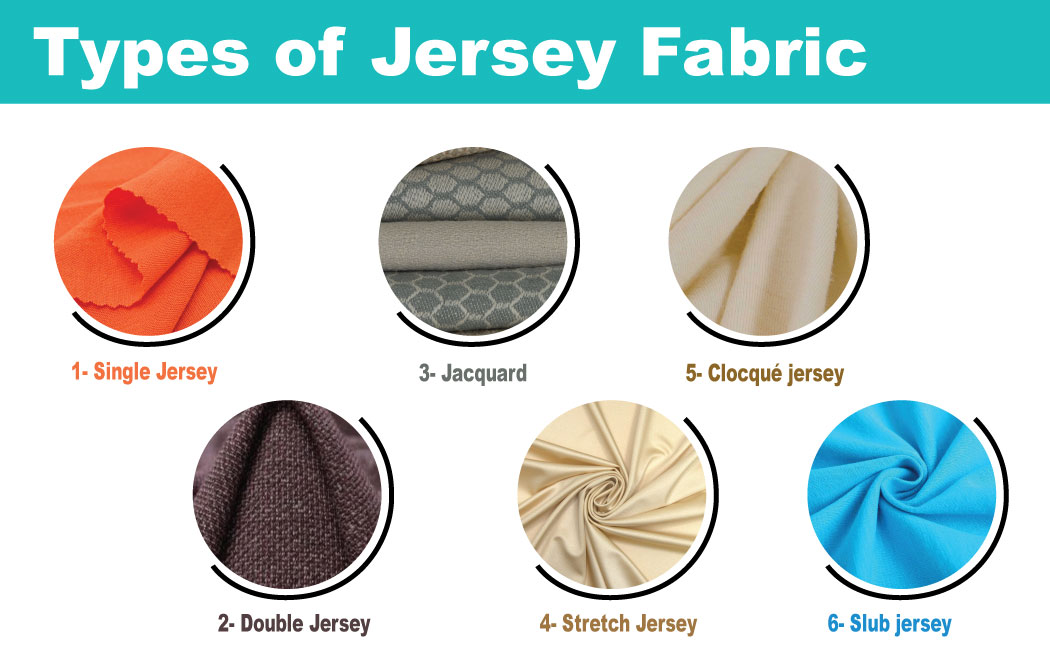
What is Jersey Fabric: Types, Uses, Characteristics & More
Mastering Material Selection in Streetwear Manufacturing
Material choice is the cornerstone of streetwear manufacturing. For indie brands, it’s about balancing durability, comfort, and that street-ready aesthetic. Cotton blends remain a staple for hoodies and tees, offering breathability and print-friendliness, but sustainable options like organic cotton or recycled polyester are gaining traction amid eco-conscious consumers.
When selecting fabrics, consider weight (GSM), weave, and finish. For example, French terry for sweatshirts provides a premium feel at a moderate cost, while fleece adds warmth for winter drops. Avoid cheap synthetics that pill easily—they’ll tarnish your brand rep. Instead, opt for certified suppliers via platforms like the Global Organic Textile Standard (GOTS) for authenticity.
To illustrate contrasts, here’s a comparison table:
| Fabric Type | Cost per Yard (USD) | Durability | Applicable Scenarios |
|---|---|---|---|
| Organic Cotton | 8-12 | High | Everyday tees, eco-friendly lines |
| Recycled Polyester | 6-10 | Medium-High | Active streetwear, moisture-wicking |
| French Terry | 10-15 | High | Hoodies, premium comfort |
| Fleece | 7-11 | Medium | Winter collections, budget-friendly warmth |
This table highlights how choosing recycled polyester can cut costs by up to 20% compared to organic cotton while suiting high-movement pieces. For DTC brands needing fast supply chains, prioritize materials with short lead times—aim for suppliers with in-stock inventories.
Crossovers into corporate customizations? Think durable blends for branded merch that withstands daily wear. Mature brands seeking innovation might experiment with tech fabrics like moisture-resistant coatings for collabs.
(Word count so far: 512)

Effective Pricing Strategies for Textile Products
Effective Cost Control Tactics for OEM/ODM Production
Cost control in streetwear manufacturing isn’t about skimping—it’s strategic. For online DTC brands, where margins are razor-thin, every dollar counts. Start by negotiating MOQs (Minimum Order Quantities) with your OEM/ODM partner; smaller runs (under 500 units) spike per-unit costs, so scale wisely.
Bulk sourcing trims expenses—partner with manufacturers offering integrated supply chains to avoid middleman fees. In 2026, tariffs and shipping volatility mean localizing production in Asia or Europe can save 15-25% on logistics. Use tools like FashionUnited for market pricing insights.
Hidden costs? Watch for sampling fees and revisions. Budget 5-10% of total for prototypes. For mature brands in deep collabs, co-develop designs to share R&D burdens.
Compare costing models:
| Strategy | Estimated Savings | Pros | Cons |
|---|---|---|---|
| Bulk Sourcing | 20-30% | Lower per-unit price | Higher upfront investment |
| Local Production | 10-15% | Faster turnaround | Potential quality variance |
| Integrated Supply Chain | 15-25% | Streamlined process | Dependency on one partner |
| MOQ Negotiation | 5-15% | Flexibility for small brands | Limited for high-volume |

Apparel Merchandising Flow Chart Apparel merchandising operates on a fixed sequence. Any deviation creates delays, excess cost or quality drift. The flow below is the working architecture, not… | Ankit Jaiswal
Choosing the Right Crafts and Processes in Streetwear Manufacturing
Craft selection defines your streetwear’s edge. Screen printing reigns for bold graphics on tees, cost-effective at $2-5 per unit for large runs, but digital printing suits small batches with vibrant colors sans setup fees.
For cuts and seams, overlock stitching ensures durability in activewear, while flatlock reduces bulk for sleek fits. Embroidery adds premium texture for logos, ideal for mid-tier brands.
Sustainability drives processes—waterless dyeing cuts environmental impact by 90%, appealing to eco-savvy consumers. For collabs, laser cutting enables precise custom patterns without waste.
Contrast processes:
| Process | Cost per Unit (USD) | Speed | Best For |
|---|---|---|---|
| Screen Printing | 2-5 | Medium | Mass production graphics |
| Digital Printing | 4-8 | Fast | Custom small runs |
| Embroidery | 3-6 | Slow | Logo detailing |
| Laser Cutting | 5-10 | Fast | Precision patterns |

New York Fashion Week Street Style: Spring 2026 Edition – FASHION Magazine
Alt: Street style photo from New York Fashion Week Spring 2026, capturing trendy outfits for inspiration on emerging streetwear trends.
Scaling Your Supply Chain for Long-Term Stability
Building a quick, stable supply chain is crucial for e-commerce brands facing demand fluctuations. Vet partners for reliability—look for ISO-certified factories with track records in on-time delivery. For innovative collabs, seek manufacturers with R&D teams to co-create.
Cross-boundary newbies? Full-process hosting covers sourcing to shipping, freeing you for creativity. Learn more in our Supply Chain Optimization post.
Risk mitigation: Diversify suppliers to avoid disruptions, and use contracts with clear SLAs (Service Level Agreements).
(Word count so far: 1102)
FAQ: Common Questions in Streetwear Manufacturing
What’s the difference between OEM and ODM?
OEM involves producing to your specs; ODM includes design input. For indie brands, ODM accelerates launches.
How do I reduce lead times?
Choose partners with vertical integration—cut from 12 to 6 weeks.
Is sustainable manufacturing more expensive?
Initially yes (10-20% premium), but it boosts brand value long-term.
What MOQ is ideal for startups?
Start at 30-300 units to test markets without overcommitting.
How to handle quality control remotely?
Insist on third-party audits and video inspections.
Conclusion: Future-Proofing Your Streetwear Brand with Expert Insights
In wrapping up, from a production vantage at Hezi Apparel, where we’ve honed OEM/ODM for over a decade, the ultimate tip is embracing hybrid models blending tech and tradition. By 2026, AI-driven design and sustainable sourcing will dominate—predicting a 30% rise in recycled materials adoption.
Professional manufacturers like Hezi Apparel can realize these demands, offering end-to-end solutions for your supply chain woes. Whether stabilizing DTC flows or innovating collabs, partnering with us ensures quality and speed. Dive deeper into ODM Innovations and let’s craft your next drop.