

Introduction to Streetwear Size Guides
As a streetwear manufacturing expert and fashion trend designer with years in the game, I’ve seen too many independent brands in the US and Europe struggle with sizing mishaps that tank their reputation and profits. Whether you’re an indie label boss needing a quick, stable supply chain for your DTC ecommerce drops, a mature mid-tier brand seeking innovative collaborations, or a crossover newbie diving into custom liens and corporate merch, a killer size guide & size chart is your secret weapon. It solves real-world headaches like high return rates (which can eat up to 30% of revenue), inconsistent fits across fabrics, and customer confusion in a global market.
Let’s break it down: A solid size guide isn’t just numbers on a page—it’s a tool that bridges your design vision with production reality. By focusing on accurate measurements, fabric considerations, and craft choices, you can minimize waste, optimize costs, and deliver that perfect urban fit your audience craves. In this piece, we’ll dive into practical steps to build one, drawing from hands-on OEM/ODM experience to keep your operations smooth.
First off, understand your audience’s pain points. For online DTC brands, unclear sizing leads to cart abandonment. Mature partners want scalable charts for co-branded lines, while newbies need full-handover guidance to avoid costly prototypes. Start by researching market standards—check out industry benchmarks on sites like FashionUnited for global sizing trends.
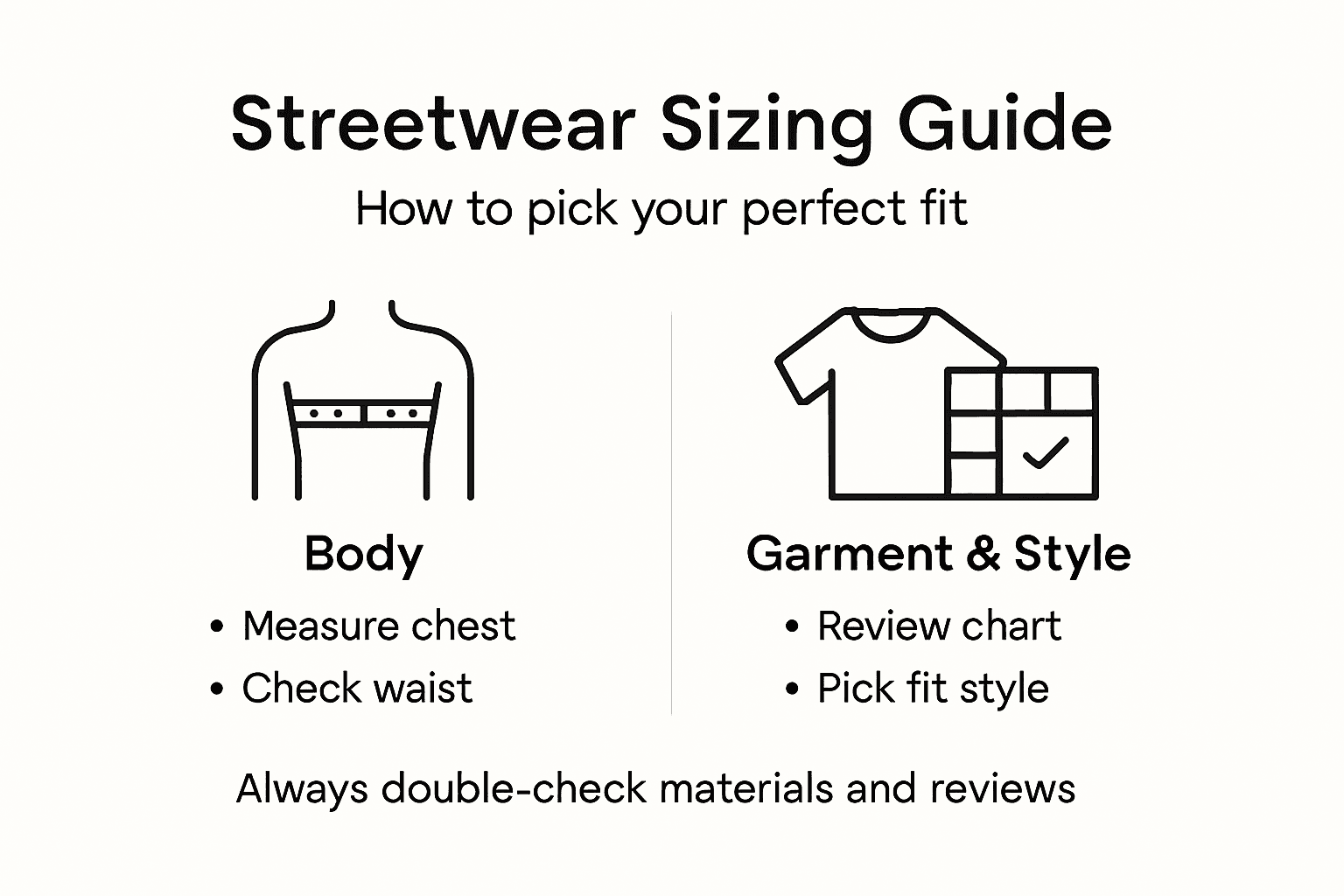
Step 1: Gather Accurate Body Measurements for Your Target Demographic
The foundation of any streetwear size chart is precise body data. Skip this, and you’re setting up for fit disasters. For US/EU indie brands, target demographics often skew urban, diverse body types—think inclusive sizing from XS to 3XL to capture that broad appeal.
How to do it: Instruct customers to measure chest, waist, hips, and inseam using a soft tape. For hoodies or tees, add shoulder width and sleeve length. Pro tip: Factor in fabric shrinkage—cotton blends can shrink 5-10% post-wash, impacting costs if you overproduce samples. This ties into material selection: Opt for pre-shrunk 300-400 GSM cotton for heavyweight streetwear to maintain fit integrity without jacking up production expenses.
Compare this to lighter fabrics like polyester blends for athletic sets, which offer more stretch but require tighter tolerances in crafting to avoid sagging. By aligning measurements with your supply chain, you control costs—fewer revisions mean faster turnaround from partners like us at Hezi Apparel.
Step 2: Define Fit Styles – Regular, Oversized, or Boxy?
Streetwear thrives on vibe, so your size guide must clarify fit types. Regular fits hug the body for a clean look, ideal for mid-tier brands aiming for versatility. Oversized drops shoulders and length for that baggy street aesthetic, popular in DTC drops, but it can increase fabric usage by 20%, hiking costs.
Use a contrast table to visualize:
| Fit Type | Fabric Usage | Cost Impact | Applicable Scenarios |
|---|---|---|---|
| Regular | Standard (e.g., 200 GSM cotton) | Low – Efficient cutting | Everyday tees, corporate customs; minimizes waste |
| Oversized | High (extra 15-20% material) | Medium – Bulk discounts apply | Street drops, collabs; appeals to Gen Z trends |
| Boxy | Moderate (wider body, shorter length) | Low-Medium – Custom patterns needed | Vintage-inspired lines; balances comfort and style |
This table helps newbies in crossovers decide crafts—sewn-in gussets for boxy fits add durability but 10% to labor costs. Link to our Custom T-Shirts page for examples of how we handle these in production.

Step 3: Incorporate International Size Conversions
For Euro-American brands expanding DTC, mismatched US/EU sizes cause 40% of returns—pure cost killer. Build a conversion into your size chart to streamline global sales.
Here’s a handy comparison:
| US Size | EU Size | Chest (inches) | Waist (inches) | Scenarios |
|---|---|---|---|---|
| S | 46 | 34-36 | 28-30 | Slim street tees; low-cost entry for startups |
| M | 48 | 38-40 | 32-34 | Standard hoodies; balances inventory costs |
| L | 50 | 42-44 | 36-38 | Oversized sets; higher margins in collabs |
| XL | 52 | 46-48 | 40-42 | Inclusive sizing; reduces return risks in customs |
Craft-wise, EU cuts often run slimmer, so adjust patterns in manufacturing to avoid refits. This saves on prototyping—aim for low MOQ partners to test without breaking the bank. Reference authoritative sources like SizeCharter for more conversions.
Step 4: Account for Fabric and Craft Choices in Sizing
Material matters big time in streetwear size guides. Heavyweight cotton (400+ GSM) for hoodies holds shape but adds bulk—factor 1-2 inches ease for comfort. Lighter knits for tees allow stretch, cutting costs on elastic trims.
Cost control tip: Choose cut-and-sew crafts for custom fits over blanks; it ups initial setup by 15% but drops long-term defects. For mature brands, innovate with acid-wash processes that affect shrinkage—pre-test to keep charts accurate. Newbies, go full托管 with OEM pros to handle this seamlessly.

Step 5: Visualize Measurements with Diagrams
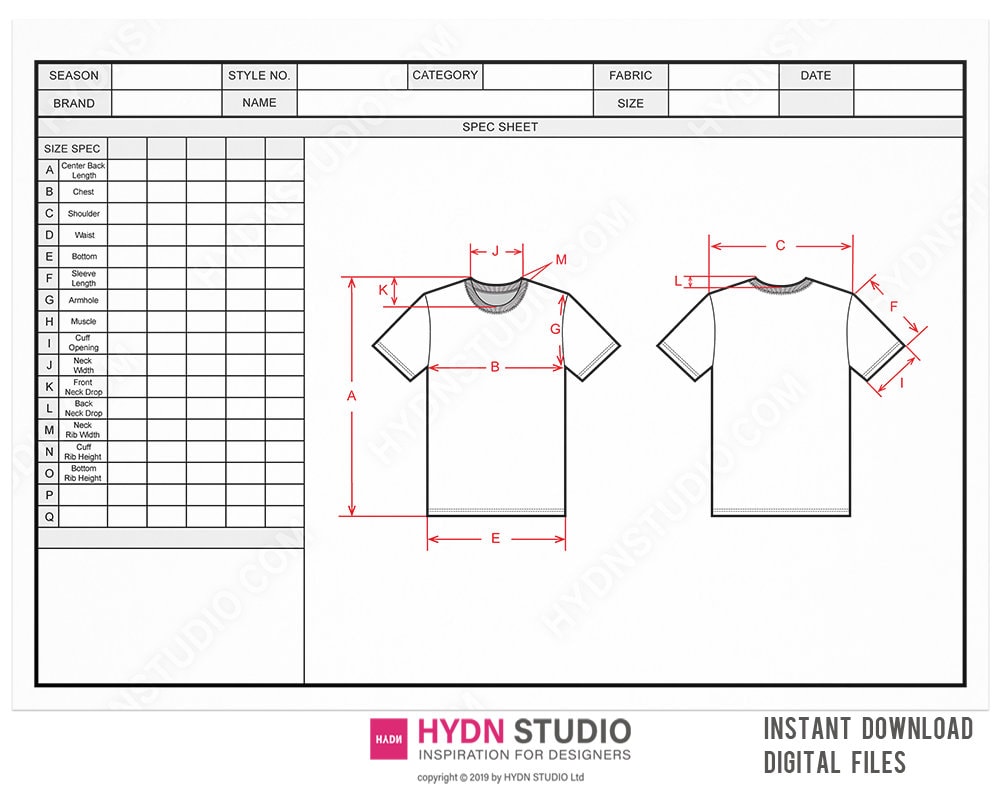
Make your size guide user-friendly with visuals. Include body diagrams labeling key points—neck, bust, hem. This reduces confusion, especially for ecommerce where try-ons aren’t possible.
For example, in production, we measure from high-point shoulder for accuracy. Add notes on how fabric behaves post-wash to manage expectations and cut returns.
Step 6: Test and Iterate Based on Feedback
Launch a beta chart with your first drop, gather reviews via DTC channels. Adjust for real data—oversized might need more length for taller EU markets. This iterative craft saves costs long-term; fewer revisions mean stable supply.
Link to our OEM / ODM Service for how we prototype these quickly.
Step 7: Optimize for Digital Layout and Accessibility
Design your page clean: Tabs for men’s/women’s, interactive charts. Use responsive design for mobile DTC shoppers. Include alt text on images for SEO and inclusivity.

FAQ: Common Questions on Streetwear Size Guides & Charts
How do I handle sizing for inclusive body types?
Incorporate plus sizes from the start—extend charts to 4XL with graded patterns. Test on diverse models to ensure fit across crafts.
What’s the cost impact of custom sizing in production?
Custom adds 10-20% upfront but reduces returns by 25%, netting savings. Low MOQ (30 pcs) from reliable manufacturers keeps it affordable.
Should I use inches or cm in my chart?
Dual units for US/EU appeal. Prioritize your main market but include conversions.
How often should I update my size guide?
Annually or per collection, especially if switching fabrics or crafts.
Can sizing affect my brand’s sustainability?
Yes—accurate fits cut waste. Choose eco-fabrics in OEM to align with trends.
Conclusion: Future-Proof Your Streetwear with Pro Manufacturing Insights
Wrapping up, nailing your streetwear size guide & size chart is about more than numbers—it’s crafting a seamless experience that drives loyalty and scales your brand. From my vantage in apparel manufacturing, the trend is toward hyper-personalized fits via AI-driven sizing tools, blending data with traditional crafts for zero-waste production. But the ultimate advice? Partner with seasoned OEM/ODM experts who handle the full flow—from pattern grading to quality checks—freeing you to innovate.
At Hezi Apparel, we’ve powered countless indie and mid-tier brands with tailored solutions that turn sizing woes into strengths. Whether you need rapid prototyping for DTC or deep collabs for customs, our experience ensures stable, cost-effective outputs. Check our Benefits of Partnering with an OEM Clothing Manufacturer to see how we can elevate your game. Let’s build that perfect fit together.