
Introduction to Streetwear Fabric Selection
As a streetwear brand manufacturing expert and fashion designer with years in the trenches of urban apparel production, I’ve seen countless indie labels in Europe and the US struggle with fabric choices that either blow their budgets or fail to deliver on quality. For you— the independent brand owner running a DTC ecommerce operation, the mature mid-tier label hunting for innovative partners, or the crossover newbie diving into collabs and custom corporate gear—picking the right types of fabric for streetwear clothing is make-or-break. It’s not just about aesthetics; it’s about balancing durability, comfort, cost control, and production efficiency to keep your supply chain humming.
In this guide, we’ll dive deep into practical solutions for selecting fabrics that align with your brand’s vibe while addressing real-world challenges like material sourcing, minimizing production costs, and choosing crafts that enhance longevity. Drawing from industry standards, we’ll cover heavyweight cottons for hoodies, durable denims for pants, and sustainable blends for eco-conscious lines. Expect actionable insights to help you scale without headaches, whether you’re prototyping a new drop or optimizing for bulk runs.
Streetwear thrives on versatility, so start by assessing your collection’s needs: Is it basics like tees and sweats, or statement pieces like jackets? Heavyweight fabrics (over 300 GSM) offer premium feel but hike costs by 20-30%, while lighter options (under 200 GSM) cut expenses but may compromise on drape. Always factor in fabric GSM (grams per square meter) for weight—higher for winter drops, lower for summer. Link to more on GSM in apparel for precise calculations.

Key Types of Fabric for Streetwear: Solving Selection Challenges
Let’s break down the top types of fabric for streetwear clothing, focusing on how each solves specific problems in material choice, cost management, and crafting processes. I’ll highlight pros, cons, and tips tailored for your brand type—whether you need quick-turnaround suppliers for DTC, deep customization for collabs, or full-service hosting for new entrants.
Cotton and Cotton Blends: The Backbone of Basics
Cotton reigns supreme for streetwear staples like tees, hoodies, and joggers due to its breathability and softness. For indie owners, opt for 100% organic cotton to appeal to eco-savvy consumers, reducing environmental impact while maintaining a premium hand-feel. Cost-wise, expect $5-8 per yard for standard cotton, but blends with polyester can drop to $3-5, cutting overall production by 15% without sacrificing much comfort. In crafting, ring-spun cotton holds prints better, ideal for screen-printing your graphics—avoid combed varieties if budget’s tight, as they add 10% to costs.
For mature brands seeking innovation, try Supima cotton for ultra-durable pieces; it’s stronger and softer, perfect for limited-edition drops. Crossovers? Use cotton for custom uniforms—it’s versatile for embroidery. Check our related article on custom acid-washed t-shirts for blending techniques: Custom Acid-Washed T-Shirts Streetwear.
Fleece and French Terry: Comfort for Layering
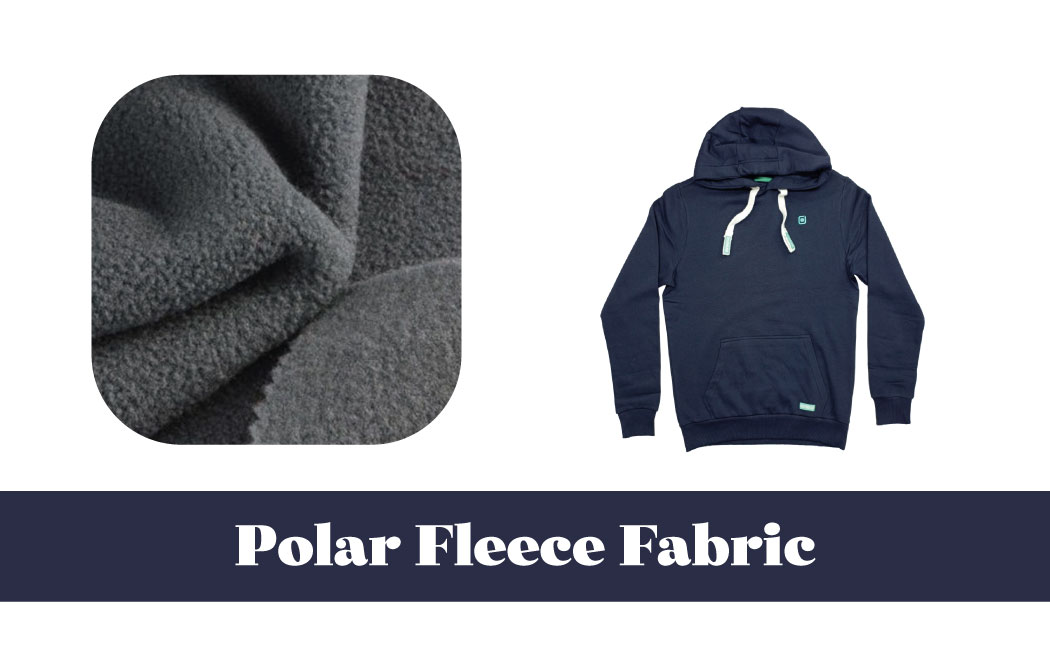
Fleece, especially brushed or polar varieties, is essential for hoodies and sweatshirts in streetwear. It provides warmth without bulk, solving the problem of seasonal adaptability. Costs range from $6-10 per yard, but opting for 80/20 cotton-poly blends controls expenses while enhancing wrinkle resistance. Craft-wise, French Terry (a looped knit) excels in cut-and-sew processes, allowing for oversized fits that define modern streetwear—pair it with ribbed cuffs for structure.
Indie DTC brands: Source recycled fleece to cut costs by 10% and boost sustainability claims. For depth collaborations, experiment with acid-washed fleece for vintage vibes. Newbies, delegate to OEM partners for seamless hemming. Learn more about hoodies in our acid-washed hoodie guide: Acid-Washed Hoodie.
Denim and Twill: Durability for Bottoms and Outerwear
Denim is iconic for streetwear jeans and jackets, offering rugged appeal with excellent longevity. Raw denim (untreated) solves fading issues over time, but pre-washed options speed up production. Costs: $7-12 per yard; control by choosing mid-weight (10-12 oz) to avoid heavy shipping fees. Twill, with its diagonal weave, adds structure—use for cargo pants, reducing tear risks in active designs.
For cost control, blend with spandex for stretch (2-5% addition keeps prices under $10/yard). Crafting tip: Enzyme washes soften without chemicals, ideal for sustainable lines. Link to denim weaving for technical specs.
Comparing Fabrics: Parameters, Costs, and Scenarios
To make informed decisions, here’s a comparison table of key types of fabric for streetwear clothing. This highlights parameters like weight, durability, and breathability, alongside costs and ideal scenarios—helping you optimize for your supply chain.
| Fabric Type | Weight (GSM) | Durability | Breathability | Cost per Yard (USD) | Applicable Scenarios |
|---|---|---|---|---|---|
| Cotton | 180-300 | Medium-High | High | 5-8 | Tees, hoodies for everyday DTC drops; cost-effective for bulk. |
| Fleece | 250-350 | High | Medium | 6-10 | Sweatshirts in cold-weather lines; blends for cost savings in collabs. |
| Denim | 300-400 | Very High | Low-Medium | 7-12 | Jeans, jackets for durable streetwear; premium for mid-tier brands. |
| Nylon | 150-250 | High | Low | 4-7 | Windbreakers; lightweight for active crossovers. |
| Polyester Blends | 200-300 | High | Medium | 3-6 | Athletic pieces; budget-friendly for newbies. |
| Wool | 250-400 | High | Medium | 10-15 | Coats; luxury for innovative partnerships. |
| Corduroy | 280-350 | Medium | Medium | 6-9 | Pants; textured for unique designs. |
| Jersey | 150-250 | Medium | High | 4-7 | Basics; easy crafting for quick turns. |
| Twill | 200-300 | High | Medium | 5-8 | Cargos; structured for mature brands. |
| Sustainable (Organic/Recycled) | 180-300 | Medium-High | High | 7-11 | Eco-lines; appeals to conscious consumers. |

Nylon and Polyester: Technical Edge for Performance
Nylon shines in streetwear jackets and bags for its water-resistance, solving weather-proofing issues. At $4-7 per yard, it’s a cost-saver; blends with ripstop prevent tears. Crafting: Use heat-sealing for seams to cut labor costs by 20%.
Polyester blends offer quick-dry properties, ideal for active streetwear. For DTC speed, they’re machine-wash friendly, reducing returns. Explore nylon properties for deeper insights.

Wool and Corduroy: Textured Luxury Options
Wool adds warmth to streetwear coats, with costs at $10-15 per yard—offset by blending with synthetics. It’s durable but requires dry-cleaning crafts to maintain shape. Corduroy, with its ribbed texture, fits retro vibes; $6-9 per yard, perfect for pants.
For crossovers, wool enables custom embroidery. Tip: Source merino wool for itch-free comfort.

Sustainable Fabrics: Future-Proofing Your Brand
With consumers demanding eco-options, recycled polyester and organic cotton solve ethical sourcing woes. Costs are 20% higher ($7-11/yard), but they boost margins through premium pricing. Crafting: Use low-impact dyes to control expenses.
For indie brands, this builds loyalty; matures can innovate with hemp blends.
FAQ: Common Questions on Streetwear Fabrics
Q: How do I control costs when selecting fabrics?
A: Prioritize blends (e.g., 60/40 cotton-poly) to reduce per-yard prices by 20-30% while maintaining quality. Bulk sourcing from reliable OEMs like us at Hezi Apparel minimizes waste.
Q: How to choose sustainable fabrics without hiking prices?
A: Start with recycled polyester—affordable and versatile. Certify with GOTS for credibility.
Q: Differences in crafting woven vs. knit fabrics?
A: Knits (like fleece) are stretchy, easier for quick prototypes; wovens (denim) need precise cutting but offer structure.
Q: Ideal GSM for hoodies?
A: 300-400 GSM for premium feel; lower for budget lines.

Conclusion: Expert Insights and Trends from Hezi Apparel
In wrapping up, the key to mastering types of fabric for streetwear clothing lies in strategic selection that aligns with your operational needs—be it cost efficiency for DTC scaling or innovative crafts for collabs. From my vantage at Hezi Apparel, with extensive OEM/ODM experience, the ultimate advice is to embrace hybrid fabrics: Blends like cotton-nylon will dominate 2026 trends, offering sustainability without compromise, as tech advances make them lighter and more durable. Expect a shift toward bio-based materials, reducing costs long-term by 15% through efficient production.
Professional manufacturers like Hezi Apparel can realize these for you—handling full workflows from sourcing to finishing, ensuring stable supply chains. Partner with us to turn fabric challenges into brand strengths. For breathable kits, see White Blue Custom Logo Breathable Quick-Drying Kit.