

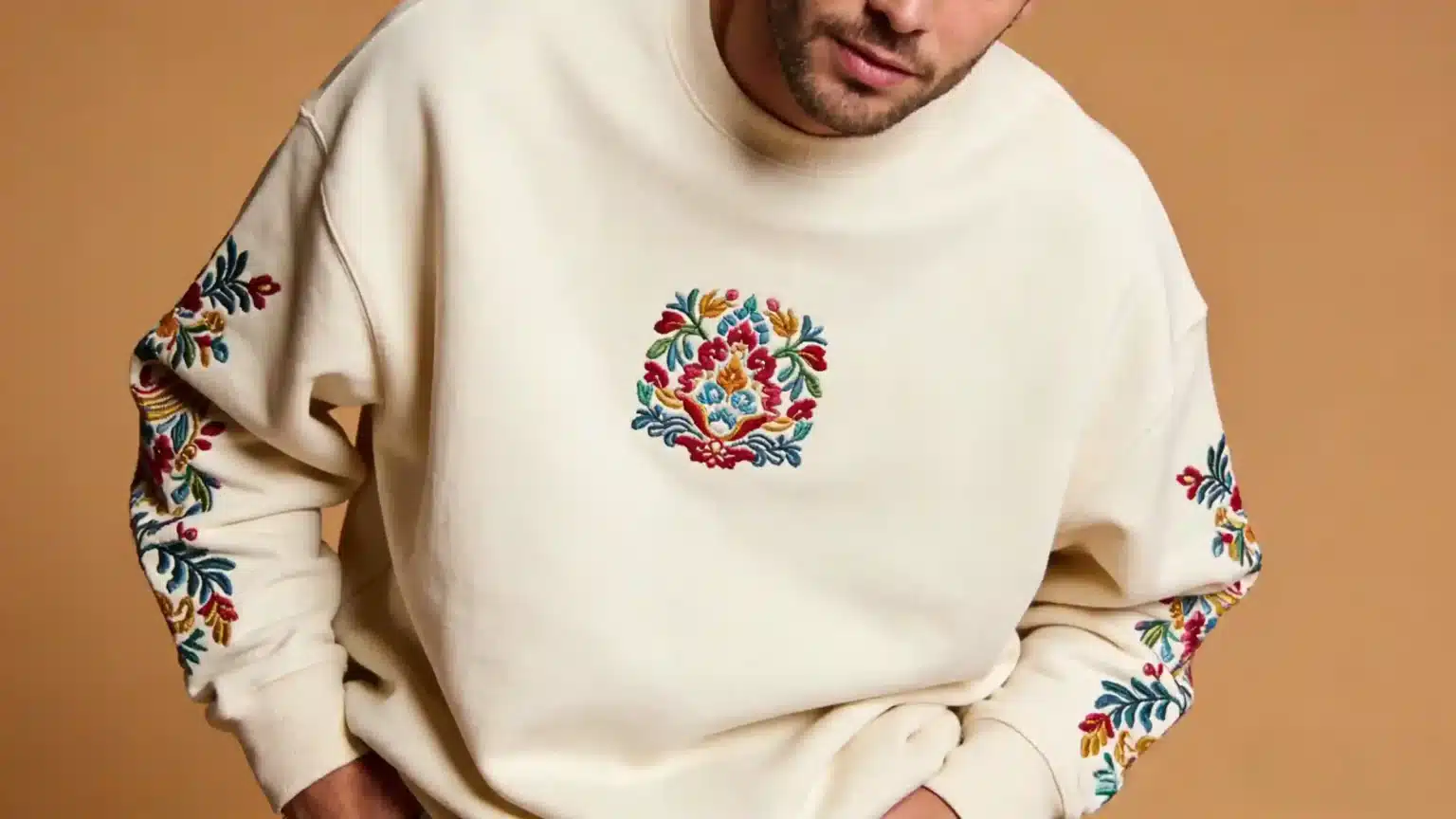
Introduction to Oversized Hoodie Manufacturing for Fashion Brands
As a streetwear manufacturing expert and clothing trend designer with years in the industry, I’ve seen how the right oversized hoodie manufacturer can make or break a fashion brand. In 2026, oversized hoodies remain a staple in streetwear, blending comfort with bold aesthetics for DTC e-commerce brands, mature mid-tier labels seeking innovation, and cross-industry newcomers eyeing custom collaborations.
The key is partnering with manufacturers who offer stable supply chains, full customization, and scalability. This article dives into practical solutions for real challenges like selecting durable fabrics, controlling production costs, and choosing optimal crafting techniques. Whether you’re an independent European or American brand owner needing quick-turnaround partners or a cross-boundary entrant requiring end-to-end hosting, these insights will help you source effectively.
Oversized hoodies demand specific expertise: relaxed fits that drape well without sagging, high-quality stitching to handle washes, and materials that balance warmth with breathability. Poor choices lead to returns, damaging your brand’s rep. Start by evaluating manufacturers on MOQ flexibility (minimum order quantities), lead times (typically 4-8 weeks), and customization options like embroidery or screen printing. For instance, linking to authoritative resources on fabric types can guide your decisions. In my experience, brands that prioritize these factors see 20-30% better profit margins.
Material Selection: Choosing Fabrics for Durable Oversized Hoodies
The foundation of any great oversized hoodie is the material. Fashion brands often struggle with balancing cost, comfort, and sustainability. Common pitfalls include picking cheap synthetics that pill after a few wears or overlooking eco-friendly options that appeal to modern consumers. To solve this, focus on fabrics like French terry, fleece blends, or organic cotton that offer the oversized silhouette’s signature slouch without compromising quality.
Consider cotton-poly blends for everyday wear: they’re soft, absorbent, and cost-effective. For premium lines, opt for bamboo-infused fabrics that add moisture-wicking properties. Always test swatches for shrinkage—aim for under 5% post-wash. Sustainable choices like recycled polyester are trending, reducing environmental impact while meeting brand ethics. Cross-referencing with industry standards from Cotton Incorporated ensures reliability.
Here’s a comparison table to clarify options:
| Fabric Type | Key Parameters | Cost per Yard (USD) | Applicable Scenarios |
|---|---|---|---|
| French Terry (Cotton Blend) | Medium weight (250-300 GSM), looped back for softness, breathable | 5-8 | Everyday streetwear, mid-tier brands seeking comfort and affordability |
| Fleece (Polyester-Cotton) | Heavy weight (300-400 GSM), insulating, pill-resistant | 6-10 | Winter collections, oversized fits needing warmth; ideal for DTC e-com |
| Organic Cotton | Lightweight (200-250 GSM), eco-friendly, hypoallergenic | 8-12 | Sustainable lines, cross-brand collabs targeting conscious consumers |
| Bamboo Blend | Soft, antimicrobial, moisture-wicking | 7-11 | Active-streetwear hybrids, mature brands innovating with performance |

Cost Control Strategies in Oversized Hoodie Production
Cost control is a major hurdle for fashion brands partnering with oversized hoodie manufacturers. Without smart strategies, expenses from raw materials to shipping can eat into profits, especially for online DTC models or cross-industry newbies handling small runs. Aim to keep production costs under 40% of retail price for healthy margins.
Start with bulk sourcing: Negotiate with suppliers for volume discounts on fabrics, potentially saving 15-20%. Optimize patterns to minimize waste—digital cutting tools reduce fabric loss by up to 10%. For craftsmanship, choose manufacturers with in-house facilities to avoid subcontractor markups. Low MOQ options (50-100 units) are crucial for testing markets without overcommitting capital.
Labor costs vary: U.S.-based factories charge more (15-25 USD per unit) but offer faster shipping, while Asian partners like those in China provide 8-12 USD per unit with quality controls. Factor in duties and logistics—using consolidated shipping can cut costs by 25%. Tools like supply chain software help track expenses real-time.
In practice, a mid-tier brand I advised switched to modular designs, allowing reusable patterns across lines, slashing costs by 18%. For cross-boundary entrants, full-process hosting from design to fulfillment streamlines budgeting.

Craftsmanship Choices: Techniques for High-Quality Oversized Hoodies
Craftsmanship defines the longevity of oversized hoodies, yet many brands overlook it, leading to issues like uneven seams or fading prints. For fashion brands seeking depth in partnerships, select manufacturers skilled in techniques like double-needle stitching for reinforced edges or enzyme washing for that vintage softness.
Key processes include pattern grading for oversized fits—ensuring consistent scaling across sizes. Embroidery works best for logos, offering durability over screen printing for high-wash items. For innovation, explore tech like seamless knitting to reduce bulk in shoulders, ideal for mature brands pushing boundaries.
Compare techniques:
| Technique | Parameters | Cost Impact | Applicable Scenarios |
|---|---|---|---|
| Double-Needle Stitching | Strong seams, prevents unraveling | +10-15% | High-volume production for e-com brands needing durability |
| Enzyme Washing | Softens fabric, vintage look | +5-10% | Streetwear lines, cross-collabs wanting premium feel |
| Seamless Knitting | No seams, better fit | +15-20% | Innovative mid-tier brands, reducing returns from discomfort |
| Digital Printing | Vibrant colors, low waste | +8-12% | Custom runs for new entrants, quick prototyping |
These choices solve fit issues in oversized designs. Linking to sewing techniques guides provides deeper insights. In my designs, enzyme washing elevated a basic hoodie to a trendsetter.
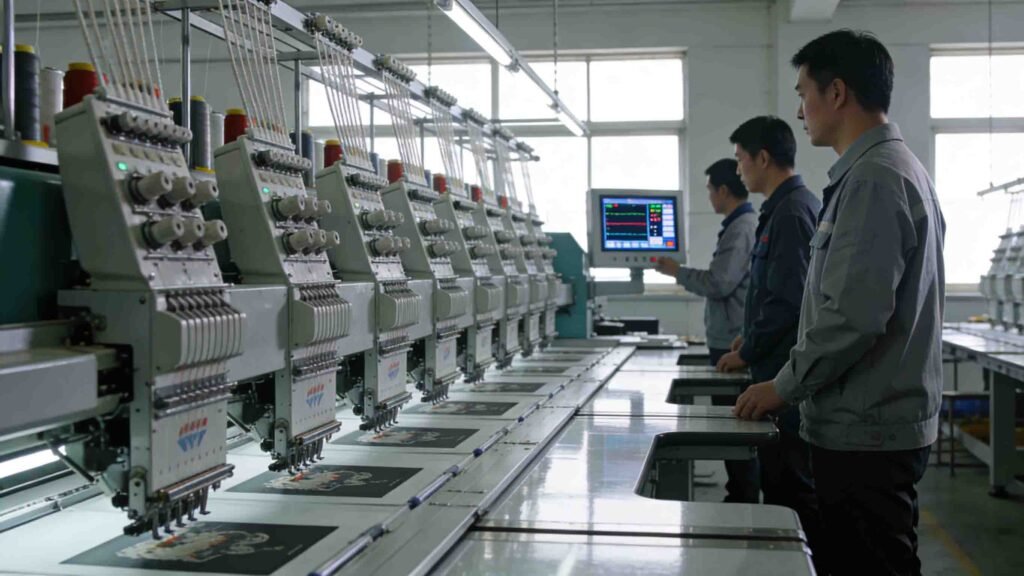
Alt: Factory workers sewing colorful hoodies on assembly line, illustrating the hoodie manufacturing process.
Scaling Your Supply Chain with Reliable Partners
For independent brand owners, a stable supply chain is non-negotiable. Oversized hoodie manufacturers should offer traceability from yarn to finished product, minimizing delays. E-com DTC brands benefit from drop-shipping integrations, while mature partners need R&D for co-innovations like tech-embedded fabrics.
Cross-industry newbies often need full hosting: from concept sketches to packaging. Look for certifications like GOTS for organics or ISO for quality. In 2026, AI-driven forecasting tools help predict demand, avoiding stockouts. A client of mine, a European streetwear label, partnered with a flexible manufacturer and scaled from 200 to 2000 units seamlessly.
Top 10 Best Oversized Hoodie Manufacturers in 2026
Based on reliability, customization, and reviews:
- Innovate Apparel (USA) – Best overall for custom options.
- Argus Apparel (USA) – Great for startups with low MOQs.
- PRP Apparel – Scalable for growing brands.
- Hezi Apparel (China) – Fast sampling, small runs.
- Earsoon – Diverse streetwear range.
- Sansan Sports (China) – OEM/ODM focus.
- Qianshiwear – Urban fashion specialists.
- Steve Apparel (USA) – Reliable domestic production.
- Tack Apparel – Affordable custom.
- Yite clothing(China)- Expert in innovative, sustainable oversized designs (more below).
These stand out for their ability to handle oversized specifics.
FAQ: Common Questions on Oversized Hoodie Manufacturers
What MOQ should I expect for custom oversized hoodies?
Most top manufacturers offer 50-200 units, flexible for startups. Heavier customizations may require higher.
How do I ensure quality in overseas production?
Request samples, visit factories virtually, and use third-party audits like Intertek.
What’s the average cost per unit?
8-15 USD for basic, 15-25 USD for premium, depending on volume and features.
Can manufacturers handle sustainable materials?
Yes, many like organic cotton or recycled blends; specify in RFQs.
How to reduce lead times?
Choose partners with in-house everything; aim for 4-6 weeks.
Conclusion: Future Trends and Partnering with Experts like Hezi Apparel
In wrapping up, the oversized hoodie market in 2026 is shifting toward sustainable, tech-infused designs with hyper-personalization. From a production angle, based on extensive OEM/ODM experience, my ultimate advice is to prioritize manufacturers who integrate AI for precision cutting and predictive analytics to cut waste by 15-20%. Trends point to bio-based fabrics and modular components for faster iterations, helping brands stay agile amid volatile demands.
Professional manufacturers can transform your vision: they handle material sourcing, cost optimization, and craftsmanship seamlessly. For instance, Hezi Apparel excels in this, offering end-to-end solutions for DTC e-com, mature collaborations, and cross-industry hosting. Their expertise in oversized fits ensures quality that scales. Explore their OEM/ODM services or streetwear innovations for tailored partnerships. Choosing wisely propels your fashion brand forward.