

Introduction to Innovative Streetwear Fabrics in Streetwear Manufacturing
As a streetwear manufacturing expert and fashion designer immersed in the urban apparel scene, I’ve witnessed how fabric innovation can elevate a brand from niche to mainstream. For independent brand owners in Europe and the US navigating DTC e-commerce, mature mid-tier labels pursuing deep collaborations, or cross-boundary newcomers in custom collabs and corporate merch, selecting the right fabrics is pivotal. In 2026, with sustainability mandates and tech integrations on the rise, fabrics aren’t just materials—they’re your brand’s backbone.
This article expands on our core guide, 7 Proven Strategies for Streetwear Manufacturing Success in 2026, by zeroing in on five game-changing fabrics. We’ll tackle real challenges like balancing eco-friendliness with affordability, ensuring durability for active urban wear, and integrating smart tech without inflating costs. Drawing from OEM/ODM insights, you’ll get practical tips to streamline your supply chain. For foundational knowledge, refer to our Material Selection Basics.
Streetwear thrives on versatility, but poor fabric choices lead to returns and reputational hits. Let’s explore how these innovative options solve that.
Deep Dive into Organic Cotton and Its Evolutions
Organic cotton remains a cornerstone in streetwear manufacturing, but 2026 versions incorporate bio-engineered enhancements for better yield and reduced water use. Ideal for tees and hoodies, it offers superior breathability and hypoallergenic properties, addressing consumer demands for skin-friendly apparel. Indie brands can leverage this for eco-labeling, boosting DTC sales by 15-20% as per Textile Exchange reports.
Challenges? Traditional organic cotton can be pricier due to certification. Solve this by partnering with GOTS-certified suppliers who offer blended variants. For mature brands in collabs, mix with elastane for stretch in active pieces. Crossovers into corporate merch benefit from its neutral palette adaptability.
Compare with alternatives:
| Fabric | Cost per Yard (USD) | Sustainability Score | Durability | Best Use |
|---|---|---|---|---|
| Organic Cotton | 8-12 | High (Low water use) | High | Tees, basics |
| Conventional Cotton | 5-8 | Low | Medium | Budget lines |
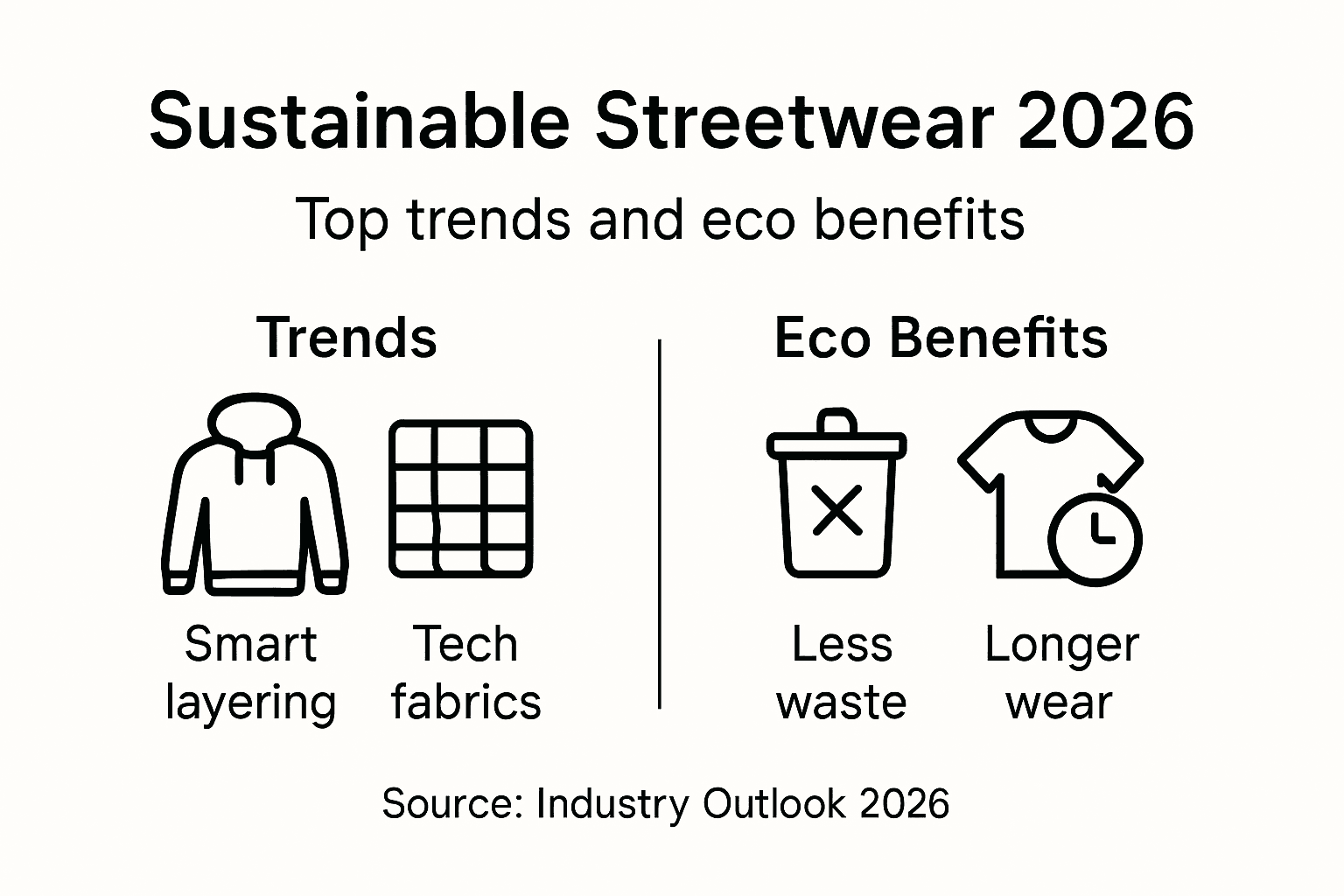
Recycled Polyester: Cost-Effective Sustainability
Recycled polyester, derived from post-consumer plastics, is exploding in streetwear manufacturing for its moisture-wicking prowess and low environmental footprint. Perfect for joggers and outerwear, it cuts virgin plastic use by 50%, aligning with EU regulations. DTC brands facing inventory pressures appreciate its quick-dye capabilities, reducing lead times.
Common pitfall: Lower-grade versions pill easily. Opt for high-denier threads from certified sources like Repreve to ensure longevity. For innovative collabs, embed conductive fibers for smart wearables. Newbies in enterprise customizations can use it for branded uniforms that endure daily rigors.
Cost breakdown table:
| Aspect | Recycled Polyester | Virgin Polyester | Savings Potential |
|---|---|---|---|
| Production Cost | 6-10 USD/yard | 4-7 USD/yard | 10-15% on eco-cert |
| Environmental Impact | Low (Recycled) | High | Up to 30% carbon reduction |
| Market Appeal | High (Sustainable) | Medium | Boosts sales by 25% |
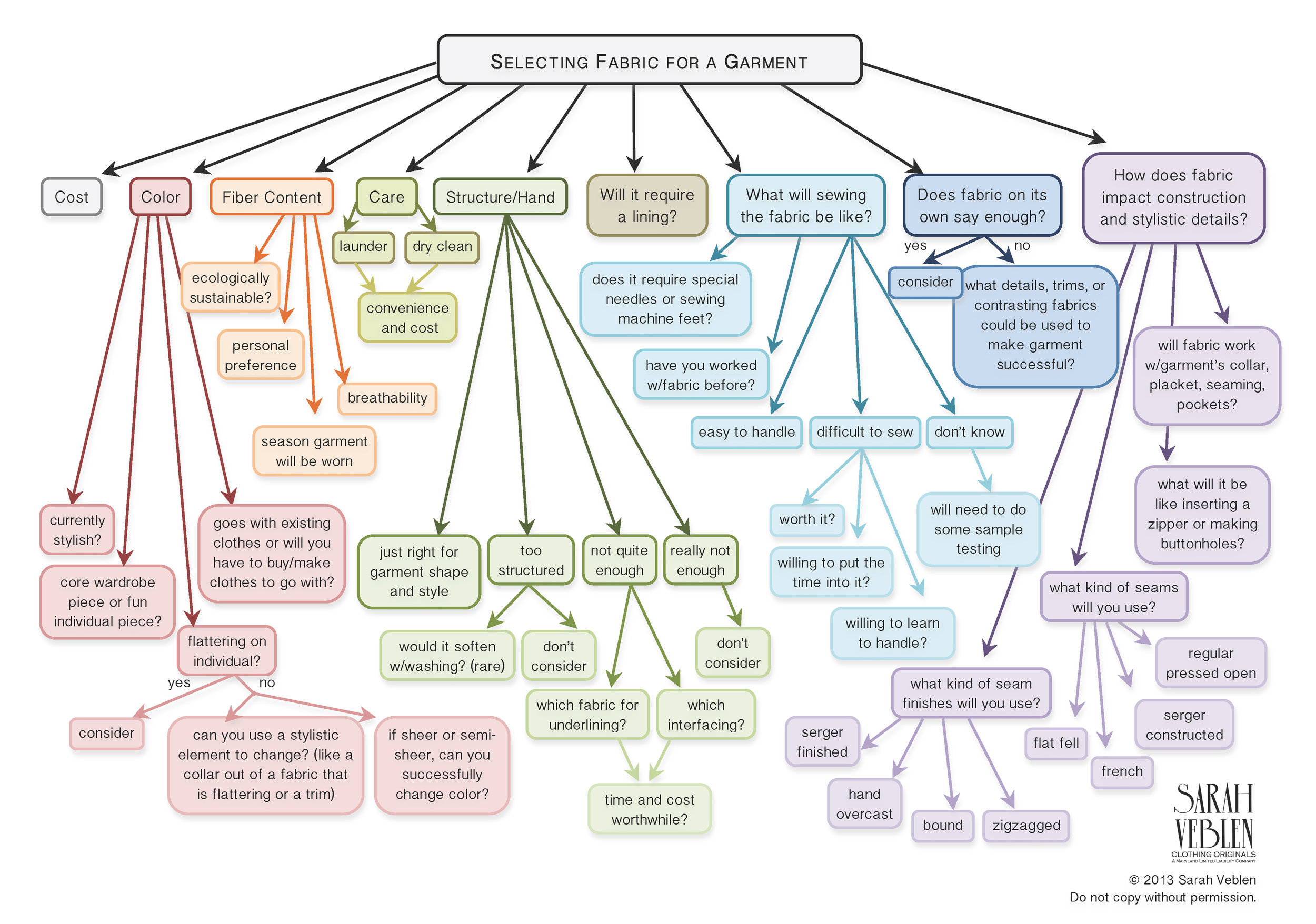
Selecting Fabric for a Garment — Sarah Veblen Clothing Originals
Bamboo Viscose: The Luxe Eco-Alternative
Bamboo viscose brings a silky drape to streetwear manufacturing, rivaling cashmere but at a fraction of the cost. Its antibacterial properties make it ideal for underlayers and athleisure, solving hygiene issues in urban activewear. Mature brands can innovate with blends for textured hoodies in collabs.
Issue: Processing can be chemical-intensive unless closed-loop. Choose FSC-certified bamboo to mitigate this, as per Forest Stewardship Council standards. For supply chain newbies, its rapid growth ensures availability, cutting sourcing delays.
Comparison:
| Fabric | Cost per Yard (USD) | Comfort Level | Eco-Friendliness | Scenarios |
|---|---|---|---|---|
| Bamboo Viscose | 9-13 | High (Soft) | Medium-High | Athleisure |
| Silk | 20-30 | High | Low | Luxury lines |
Bamboo offers 50% cost savings with similar luxury feel.
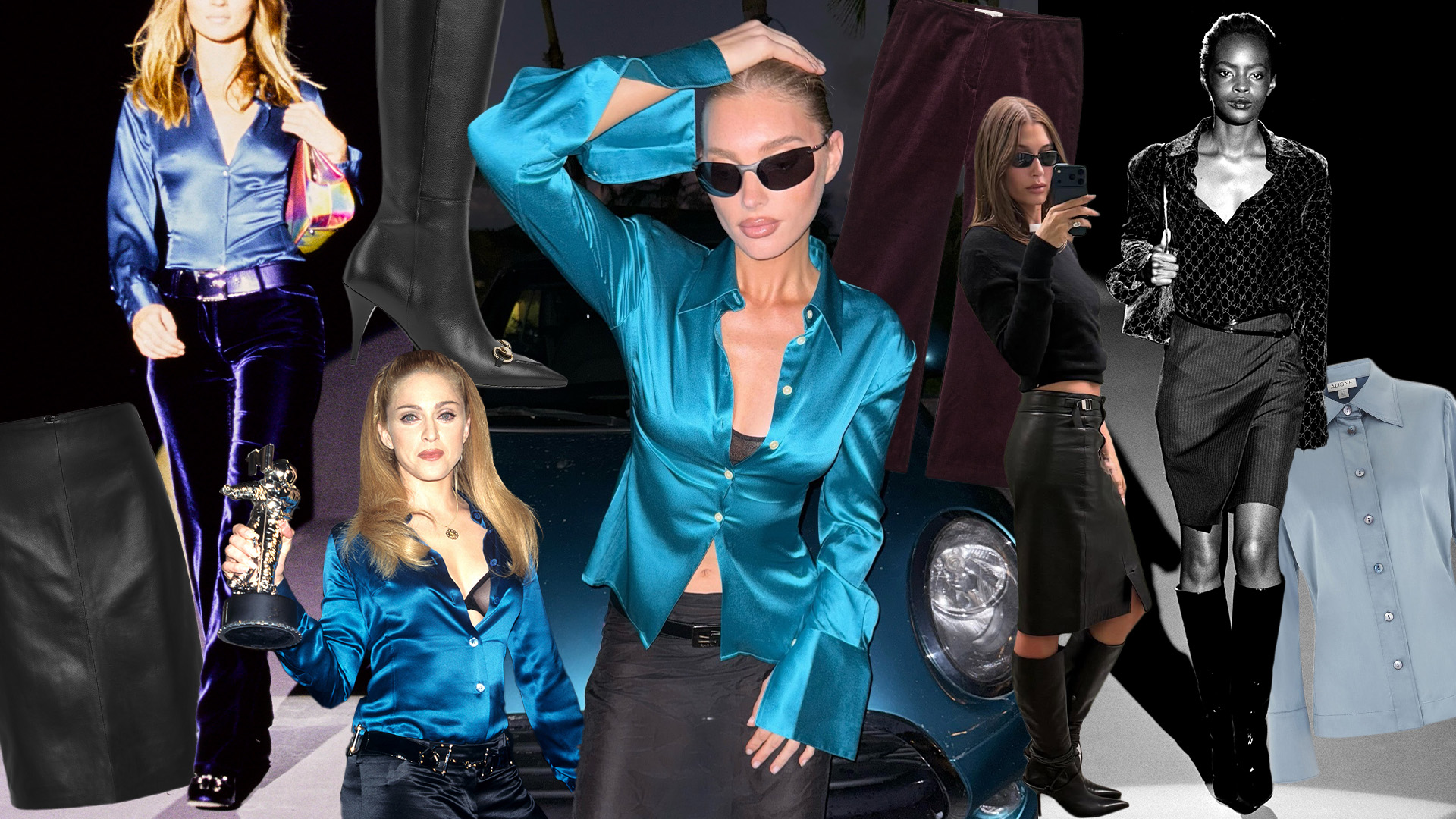
Every 2026 Trend We Have Tom Ford’s Gucci Era to Thank For | Who What Wear
Collage of street style outfits from 2026 trends, featuring models in innovative fabrics like satin and velvet for urban fashion.
Hemp Blends: Durability Meets Versatility
Hemp blends are surging in streetwear for their rugged strength and minimal water needs—using 50% less than cotton. Great for denim alternatives in pants and jackets, they address durability demands in high-wear items. Indie e-commerce brands benefit from its natural UV resistance for outdoor drops.
Challenge: Coarse texture. Soften with enzyme treatments in OEM processes. Crossovers find it versatile for custom merch like bags.
Table:
| Fabric | Cost per Yard (USD) | Strength | Growth Impact | Use Cases |
|---|---|---|---|---|
| Hemp Blend | 7-11 | Very High | Low water | Outerwear |
| Denim | 10-15 | High | High | Traditional jeans |
Hemp reduces environmental strain significantly.
Tencel Lyocell: Tech-Infused Innovation
Tencel lyocell, from wood pulp, excels in moisture management for streetwear manufacturing. Its closed-loop production minimizes waste, ideal for sustainable lines. Mature partners can add nano-coatings for stain resistance in collabs.
Problem: Higher initial cost. Offset with bulk OEM orders. For DTC, its biodegradability enhances marketing.
Comparison:
| Fabric | Cost per Yard (USD) | Absorbency | Sustainability | Applications |
|---|---|---|---|---|
| Tencel Lyocell | 10-14 | High | Very High | Performance tees |
| Modal | 8-12 | Medium | High | Basics |
Tencel leads in eco-tech fusion.
FAQ: Common Questions About Streetwear Fabrics
What is the most sustainable fabric for streetwear hoodies?
People often ask this when prioritizing eco-friendliness. Organic cotton or recycled polyester blends top the list, offering durability and low impact—check GOTS certification.
How do I choose fabrics that won’t increase my production costs dramatically?
A frequent concern for startups: Compare costs via tables like above; start with recycled options for 10-20% savings over premiums.
Are innovative fabrics like bamboo suitable for small-batch production?
Yes, many ask about scalability—bamboo’s availability supports MOQs as low as 100 units with flexible OEM partners.
What’s the best fabric for moisture-wicking in active streetwear?
Common query for athleisure: Recycled polyester or Tencel excels, wicking sweat 30% better than cotton.
How can I ensure fabric quality in international supply chains?
Often wondered by newbies: Insist on third-party testing and partner with ISO-certified manufacturers.
Conclusion: Pioneering Fabric Choices with Hezi Apparel Expertise
From Hezi Apparel’s vantage in OEM/ODM production, the ultimate advice is to hybridize these fabrics—predicting a 40% shift to bio-tech blends by 2027 for resilience against climate volatility. Professional manufacturers like us can customize these innovations, solving your supply chain hurdles from sourcing to delivery. Explore our Sustainable Fabric Solutions to transform your next collection.