

Introduction to Cost-Control Hacks in Streetwear Manufacturing
As a streetwear manufacturing expert and fashion designer deeply embedded in the urban apparel world, I’ve navigated the financial pitfalls that can derail even the most creative brands. For independent brand owners in Europe and the US building DTC e-commerce empires, mature mid-tier labels chasing innovative collaborations, or cross-boundary newcomers needing full-process hosting for custom collabs and corporate merch, mastering cost control is essential. In 2026, with rising raw material prices and supply chain disruptions, smart hacks can preserve margins without compromising quality.
This sub-article builds on our main guide, 7 Proven Strategies for Streetwear Manufacturing Success in 2026, by focusing on six actionable cost-saving techniques. We’ll address real issues like minimizing overheads in sourcing, negotiating better terms, and optimizing production scales. Drawing from OEM/ODM best practices, these tips help stabilize your supply chain. For more on basics, see our Cost Management Essentials.
Effective cost control turns potential losses into profits, ensuring your streetwear drops remain competitive. Let’s dive into the hacks that deliver results.
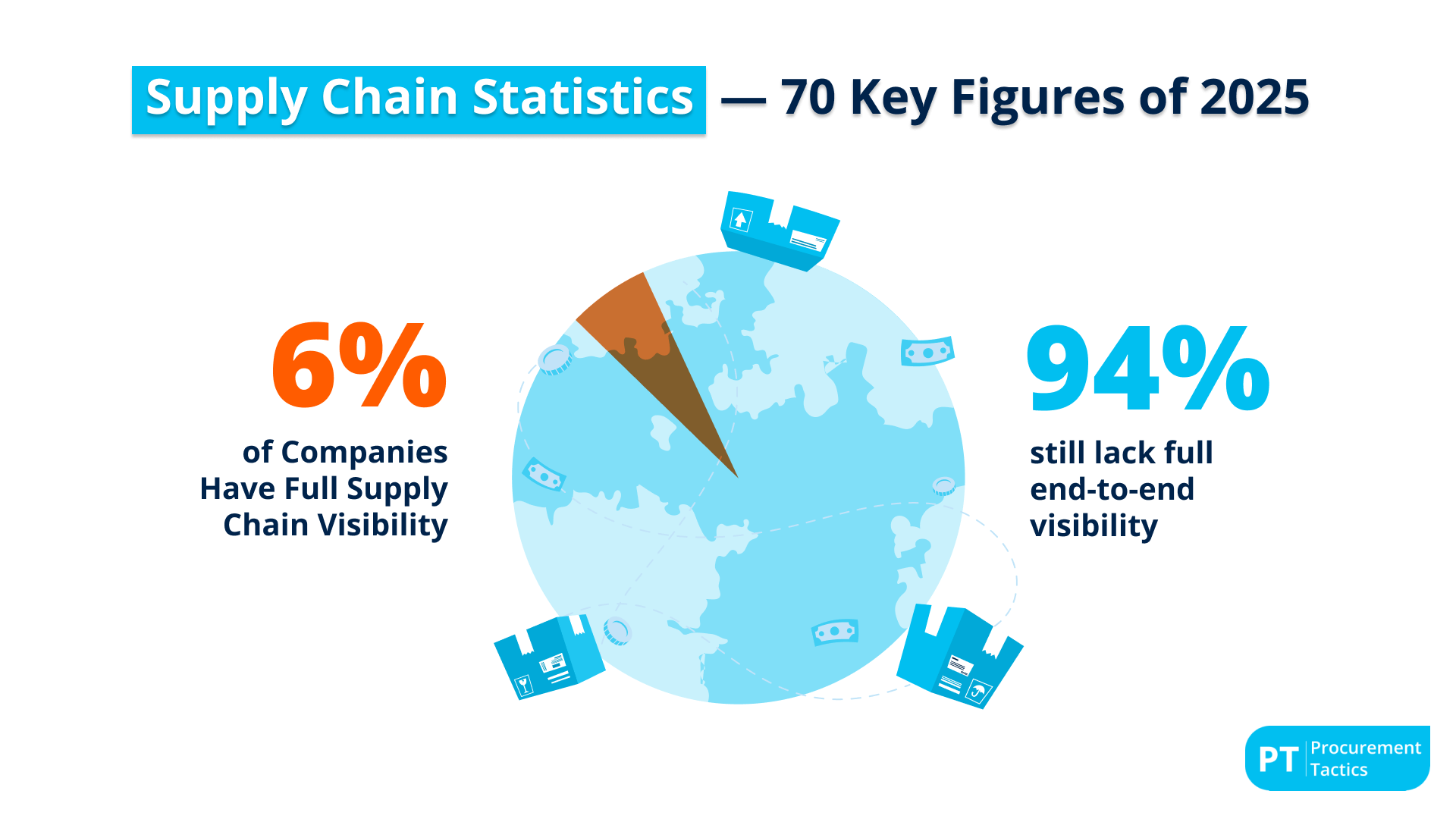
Supply Chain Statistics — 70 Key Figures of 2026
Hack 1: Strategic Bulk Sourcing for Material Savings
Bulk sourcing is a powerhouse hack in streetwear manufacturing, allowing indie brands to lock in lower prices on fabrics and trims. By committing to larger volumes from verified suppliers, you can reduce per-yard costs by 20-30%, ideal for DTC brands with predictable sales cycles. The key is forecasting demand accurately to avoid overstock—use tools like Fashion Metrics for data-driven projections.
Common challenge: Cash flow constraints for startups. Mitigate by starting with shared bulk orders through OEM partners. For mature brands in collabs, this enables custom dye lots at scale. Newbies benefit from hosted sourcing, where manufacturers handle procurement.
Comparison table:
| Sourcing Method | Cost Reduction | MOQ Requirement | Best For |
|---|---|---|---|
| Bulk Direct | 25-35% | 1000+ yards | High-volume lines |
| Shared Bulk | 15-25% | 500 yards | Small DTC brands |
This illustrates how shared options make bulk accessible without massive upfronts.
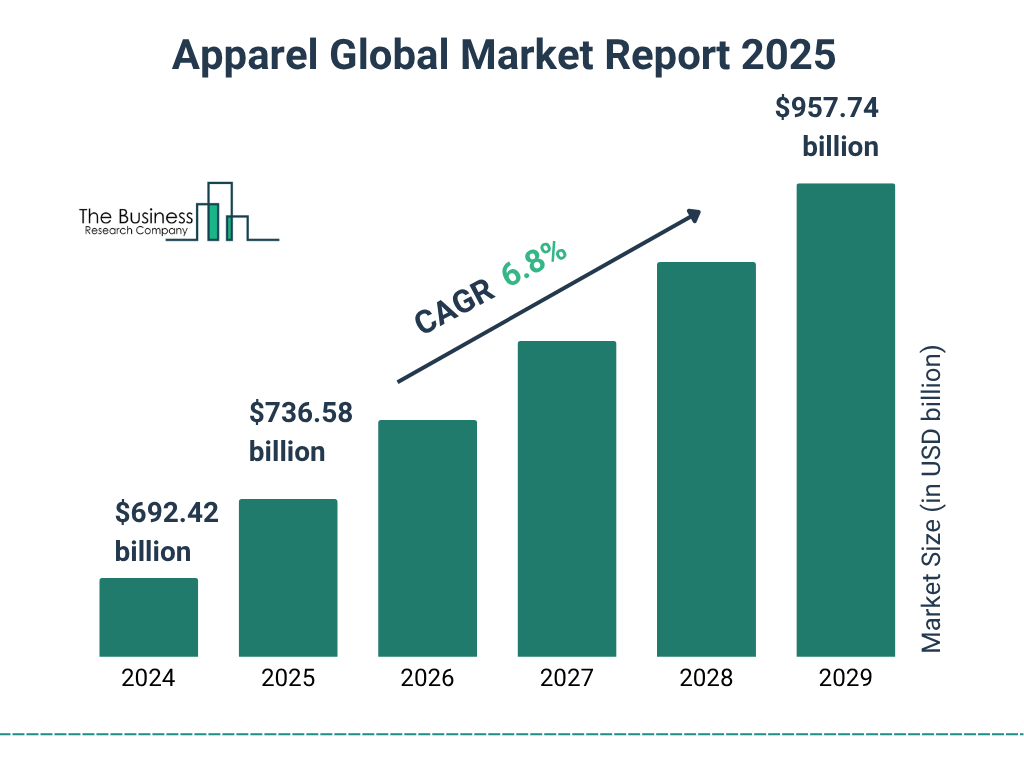
thebusinessresearchcompany.com
Apparel Market Report 2026, Size, Industry Growth Rate
Hack 2: Localizing Production to Cut Logistics Expenses
Localizing production near your market—think shifting from Asia to nearshore options in Mexico or Eastern Europe—slashes shipping costs and tariffs, a vital hack for 2026’s volatile trade landscape. DTC e-commerce brands can achieve 10-20% savings on freight while speeding up turnaround to 4-6 weeks.
Pitfall: Potential quality dips. Counter with vetted OEM/ODM partners certified by ISO Standards. Mature collab seekers can localize for agile prototyping in innovations. Crossovers in corporate merch appreciate reduced customs delays.
Table:
| Location | Logistics Savings | Lead Time | Pros/Cons |
|---|---|---|---|
| Asia | Baseline | 8-12 weeks | Low labor; High shipping |
| Nearshore (e.g., Mexico) | 15-25% | 4-6 weeks | Faster; Slightly higher labor |
Nearshoring balances cost and speed effectively.
Hack 3: MOQ Negotiation for Flexible Scaling
Negotiating lower Minimum Order Quantities (MOQs) is crucial for indie brands testing markets without overcommitting capital. Aim for 100-300 units per style by building relationships with flexible OEM manufacturers, potentially dropping costs per unit by 10-15%.
Issue: Suppliers’ resistance. Offer repeat business or bundled orders as leverage. For mature brands, this hack supports limited-edition collabs. Newbies get full hosting to bypass high MOQs altogether.
Comparison:
| Negotiation Tactic | Cost Impact | Success Rate | Applicable Brands |
|---|---|---|---|
| Bundled Styles | 10-20% lower | High | DTC with multiple SKUs |
| Long-Term Contracts | 15-25% | Medium | Mature collabs |
Bundling maximizes flexibility.

OEM vs ODM Guide: What is OEM/ODM Service? – Supplyia
Hack 4: Integrated Supply Chains to Eliminate Middlemen
Adopting integrated supply chains—where one partner handles everything from yarn to shipping—eliminates intermediary fees, saving 15-30% overall in streetwear manufacturing. Perfect for e-commerce brands needing quick stability.
Challenge: Dependency risks. Diversify with backup vendors. Innovative collab brands use this for seamless R&D integration. Enterprise customizers enjoy end-to-end tracking.
Table:
| Chain Type | Savings Potential | Efficiency Gain | Drawbacks |
|---|---|---|---|
| Integrated | 20-30% | High (One-stop) | Single-point failure |
| Fragmented | 5-10% | Low | Multiple vendors |
Integration streamlines for growth.
Hack 5: Prototype Optimization to Reduce Sampling Costs
Optimizing prototypes by limiting revisions and using digital twins cuts sampling fees by 20-40%. Employ CAD software for virtual fits before physical samples, a hack that’s booming with AI in 2026.
Problem: Iteration loops. Set clear specs upfront. Mature brands apply this to collab innovations. Newbies rely on hosted design services.
Comparison:
| Optimization Tool | Cost Cut | Time Saved | Use Case |
|---|---|---|---|
| Digital Twins | 30-40% | 50% | Pre-production |
| Traditional Sampling | 10-20% | 20% | Final checks |
Digital tools accelerate without excess spend.
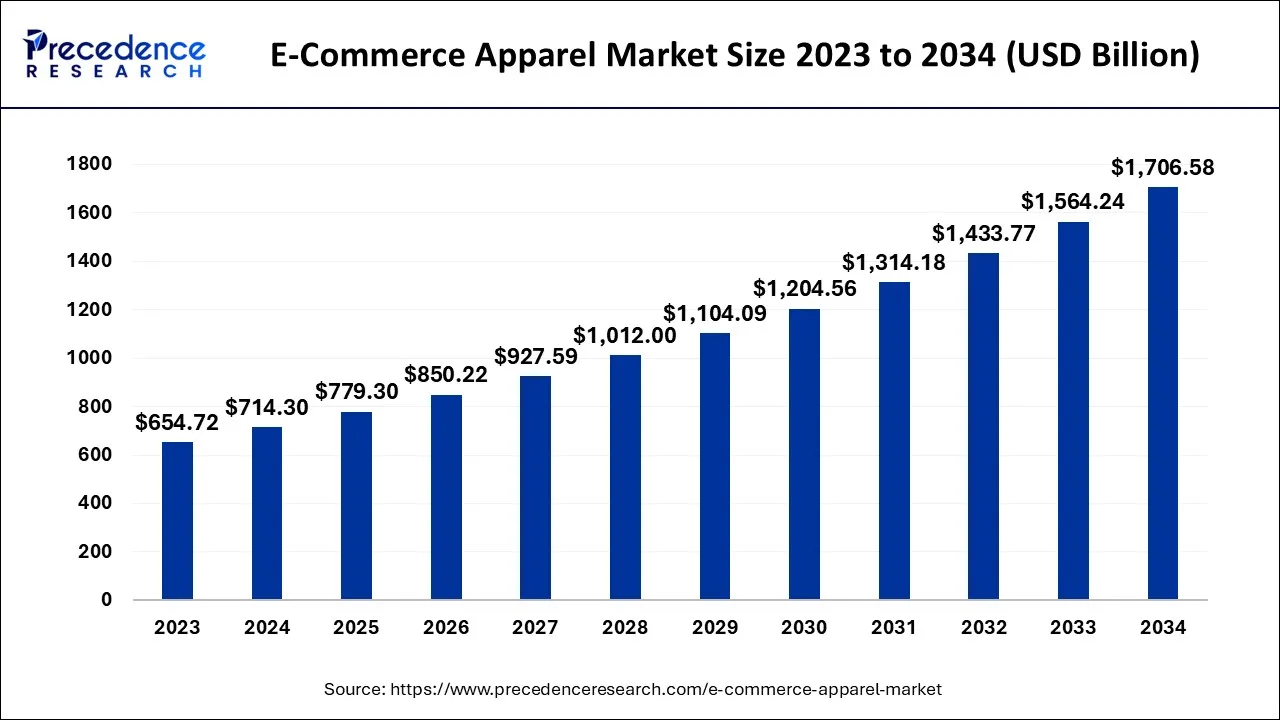
E-Commerce Apparel Market Size to Surpass USD 1,706.58 Bn By 2034
Hack 6: Sustainable Practices for Long-Term Savings
Incorporating sustainable practices like waterless dyeing not only meets consumer demands but reduces utility costs by 10-25% in production. Source recycled materials to qualify for eco-grants, offsetting premiums.
Hurdle: Initial investment. Phase in via OEM partners with green tech. Collab-focused brands leverage this for marketing edges. Custom newbies get hosted sustainability audits.
Table:
| Practice | Immediate Savings | Long-Term Benefit | Implementation Ease |
|---|---|---|---|
| Waterless Dyeing | 15-25% on water | Eco-cert bonuses | Medium (Tech needed) |
| Recycled Sourcing | 10-20% | Brand loyalty | High |
Sustainability pays dividends over time.
FAQ: Common Questions About Streetwear Cost Control
How can small DTC brands afford bulk sourcing without tying up capital?
People often ask this when starting out: Partner with OEMs offering financing or shared orders to access bulk discounts gradually.
What’s the best way to negotiate MOQs with overseas manufacturers?
A frequent query for indies: Build rapport through small pilots and promise volume growth—aim for 20% reductions.
Does localizing production really save money long-term?
Common concern amid tariffs: Yes, with 15-25% logistics cuts, but vet for quality via ISO checks.
How do integrated chains help with unpredictable demand?
Often wondered by e-commerce owners: They provide scalability and buffer stocks, reducing rush fees.
Are sustainable hacks worth the upfront cost for new brands?
Yes, as many inquire: They yield 10-20% savings plus premium pricing from eco-conscious buyers.
Conclusion: Mastering Cost Control with Hezi Apparel’s OEM/ODM Wisdom
From the production floors at Hezi Apparel, where we’ve refined OEM/ODM processes for over a decade, the ultimate insight is that hybrid cost models—blending digital optimization with sustainable integration—will dominate by 2027, forecasting 25% efficiency gains amid economic shifts. Professional manufacturers like Hezi Apparel can implement these hacks seamlessly, addressing your supply chain needs from cost audits to full hosting. Check our OEM Cost Optimization to elevate your operations.