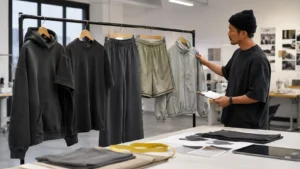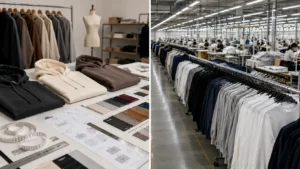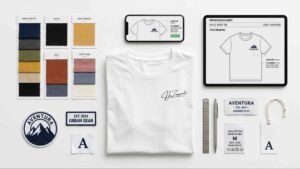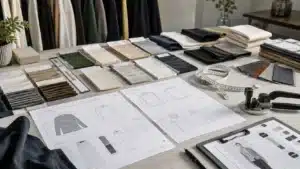
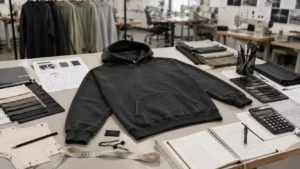
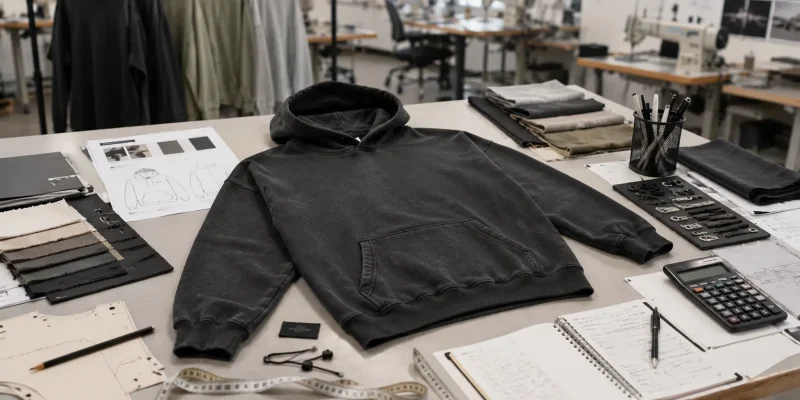
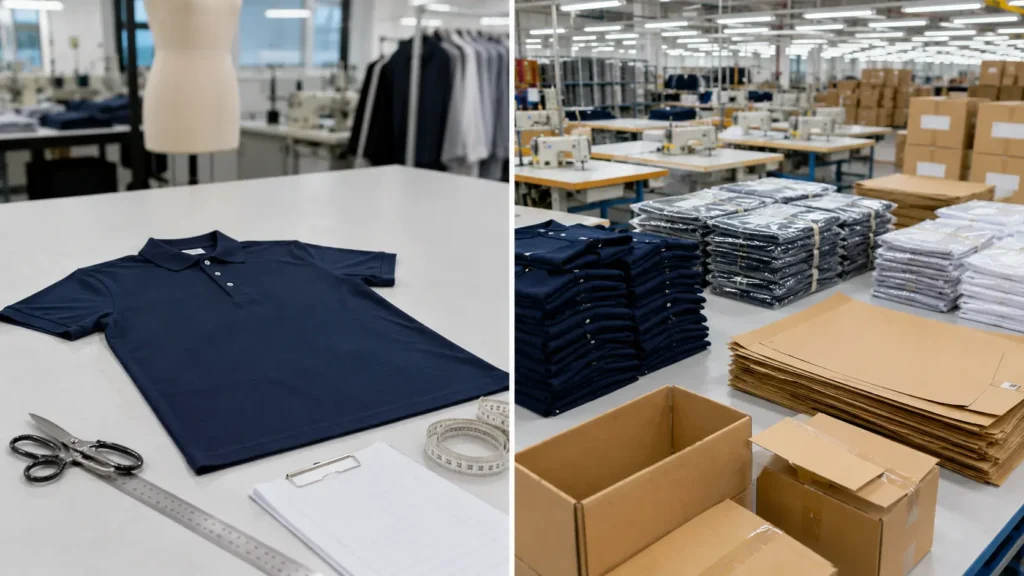
Clothing samples cost more than bulk production because the first piece carries the setup work that bulk orders spread across many units. The factory is not only sewing one garment. It may be sourcing fabric, adjusting a pattern, testing fit, cutting by hand, setting up decoration, checking shrinkage, and fixing problems before the brand risks a full order.
For new clothing and streetwear brands, this can feel confusing. A hoodie sample may cost far more than the quoted bulk unit price. A T-shirt sample may seem expensive even when the final bulk cost looks reasonable.
The difference is not always profit. In many cases, the sample price is the cost of product development compressed into one garment.
Quick answer
| Cost area | Why it raises sample price | Why bulk cost is lower |
|---|---|---|
| Pattern work | One style needs setup before sewing | Pattern is reused across many pieces |
| Fabric sourcing | Small fabric cuts are inefficient | Bulk fabric is ordered or consumed at scale |
| Cutting | Often manual or low-efficiency | Bulk cutting uses markers and layers |
| Sewing | One garment interrupts line flow | Operators repeat the same process |
| Decoration | Screens, embroidery files, heat settings need setup | Setup is spread across many pieces |
| Revisions | Sample may need corrections | Bulk follows approved standard |
| Admin and shipping | One-off handling is expensive | Bulk documents and freight are planned together |
1. Pattern work happens before the first garment exists
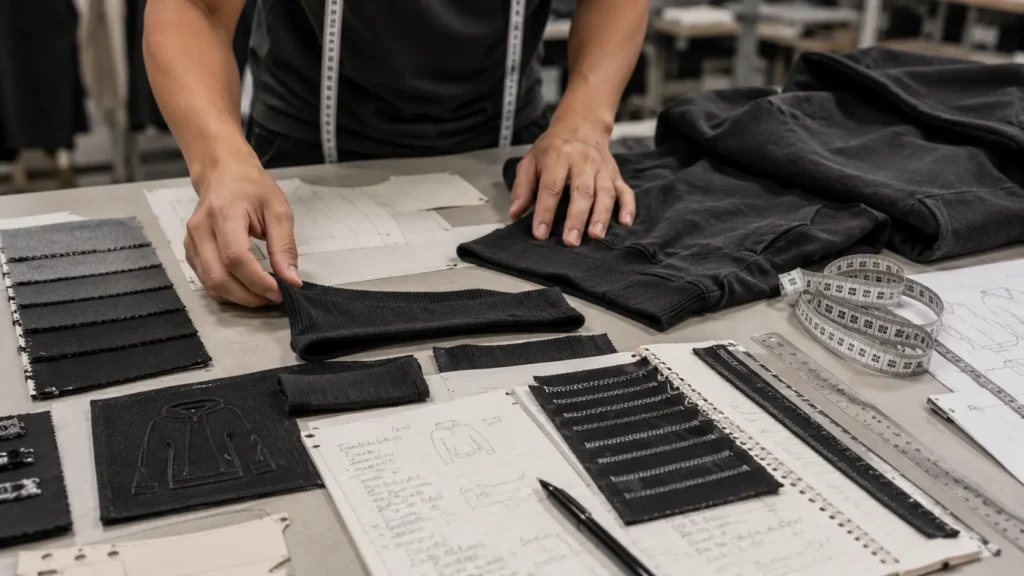
Clothing samples cost more when the style needs a new pattern. A factory cannot sew a custom hoodie, T-shirt, sweatpant, jacket, or dress from a mockup alone. It needs measurements, construction details, pattern pieces, seam allowance, grading logic, and sometimes a reference garment.
If the buyer has a clear tech pack, the work is easier. If the buyer sends only a photo, the sample team has to interpret fit, fabric, body length, sleeve shape, hood size, rib tension, pocket position, and decoration placement.
That work is paid before the bulk order exists. In bulk production, the same pattern can be used for 50, 100, 300, or 1,000 pieces. In sampling, the pattern cost sits on one garment.
For brands, this is why a good tech pack can reduce confusion. It may not make the sample free, but it gives the factory fewer things to guess.
2. Fabric sourcing is inefficient for one piece
Bulk cost benefits from fabric planning. Sampling does not. A single hoodie may require fleece, rib, drawcord, eyelets, zipper, thread, labels, packaging, and decoration tests. A sample T-shirt may need a specific cotton jersey, neck rib, print base, and wash test.
If the fabric is already in stock, the sample is easier. If the brand requests a custom GSM, custom dye, special wash, rare blend, or exact color match, the factory may need to buy extra material, request a swatch, or use a substitute just to test the construction.
Small fabric use is inefficient. Cutting one garment from a roll creates more waste per piece than cutting many pieces together. Sourcing one zipper or one custom trim also takes time that cannot be divided across bulk units.
This is one reason garment sample cost vs bulk production can look unfair. Bulk production gets scale. Sampling gets friction.
3. Cutting one sample is slower than bulk cutting
Bulk production uses markers, fabric spreading, layered cutting, bundling, and repeated operations. One sample is often handled more manually. The sample cutter may need to check every panel, confirm grain direction, test pocket placement, and adjust pieces after the first review.
For cut-and-sew clothing, this step is even more sensitive. A small mistake in shoulder slope, rise depth, armhole shape, or side seam balance can change how the garment fits. The sample team may cut carefully, sew, fit, mark corrections, and then cut again.
Bulk cost drops because the cutting process becomes repeatable. The factory can cut many garments in one planned operation. A sample does not get that advantage.
For streetwear, this is especially visible in boxy T-shirts, oversized hoodies, flared sweatpants, cropped tops, and tracksuits. The shape has to look intentional before bulk cutting starts.
4. Sewing a sample interrupts normal production flow
Factory sewing lines are built for repetition. In bulk, each operator may handle the same operation again and again: shoulder seam, sleeve attach, side seam, waistband, collar, cuff, pocket, label, or hem.
A sample is different. One person or a small sample team may sew the entire garment, stop to check details, adjust construction, test stitch type, change thread, discuss problems, and compare the result with the buyer’s reference.
That is why samples are priced higher than a single bulk unit. The sample is not moving through a smooth production line. It is being built, checked, corrected, and documented.
The sample room is closer to product development than factory mass production.
5. Decoration setup is paid before quantity exists
Printing, embroidery, appliqué, rhinestones, heat transfer, puff print, and wash effects all add setup cost. A front chest print may require artwork preparation, screen setup, ink test, placement template, curing check, and wash review. Embroidery may need digitizing, thread selection, backing, stitch density testing, and placement adjustment.
In bulk, those setup costs can be spread across many pieces. In a sample, the setup is paid for one garment or a few garments.
This is why a clothing sample fee can jump when the design includes multiple decorations. A hoodie with puff print, sleeve embroidery, custom labels, and a wash finish is not the same as a plain blank sample.
Brands should ask which decoration costs are one-time setup costs and which costs repeat in bulk. That question makes the quote easier to understand.
6. Revisions are part of development, not a defect
The first sample is rarely perfect. The body may be too long, the sleeve too narrow, the collar too loose, the print too low, the fabric too thin, or the wash too aggressive. That does not always mean the factory failed. It means the product is being developed.
Sample pricing is higher because the sample stage includes this learning. A founder may discover that a 450 GSM hoodie feels too heavy, a cropped tee shrinks too much, or a garment-dyed sweatshirt needs a different rib.
Bulk production should not be used to discover these problems. Samples exist so the brand can correct them early.
A smart sample review checks:
- Fit on body
- Flat measurements
- Fabric handfeel
- Shrinkage after washing
- Print or embroidery placement
- Label and trim position
- Sewing quality
- Packaging details
The more the brand learns before bulk, the less expensive the mistake becomes.
7. Small orders carry more admin, packing, and shipping per piece
One sample still needs communication, quotation, order entry, payment confirmation, fabric checking, production scheduling, inspection, packing, photos, and shipment. International sample shipping can also be expensive because the package is small but still needs courier handling.
Bulk production spreads this work across many units. A 300-piece order still needs documents and packing, but the admin cost per garment becomes much lower.
This is why bulk cost should not be compared directly with a single sample price. They are different cost structures. A sample is a development project. Bulk is a repeat production run.
For a new brand, the better question is not “Why is the sample so expensive?” It is “What risk does this sample remove before I pay for bulk?”
What makes sample fees higher or lower
| Sample factor | Lower-cost scenario | Higher-cost scenario |
|---|---|---|
| Tech pack | Clear specs and measurements | Only reference photos |
| Fabric | Available stock fabric | Custom dye or rare fabric |
| Style | Basic T-shirt or hoodie | Jacket, denim, washed set, complex pants |
| Decoration | One simple print | Puff print, embroidery, patches, wash |
| Fit | Standard relaxed fit | Cropped, oversized, flared, tailored |
| Revisions | One sample approval | Multiple rounds of changes |
| Shipping | Domestic or combined shipment | International express courier |
Can sample cost be refunded after bulk?
Some manufacturers refund or credit sample fees after the brand places a qualifying bulk order. Others do not, especially if the sample required custom pattern work, fabric sourcing, or multiple revisions.
Brands should ask three questions before paying:
- Is the sample fee refundable after bulk?
- Is the refund full or partial?
- What MOQ or order value qualifies for the refund?
If the answer is clear, both sides avoid misunderstanding later. A refundable sample fee is useful, but it should not be the only supplier selection factor. A cheap sample that fails to show the real bulk product can become expensive later.
How brands can control sample cost
Brands can reduce apparel sampling cost by making the first request clear and narrow. Do not ask the factory to guess the garment.
Prepare these before ordering a sample:
- Product type and target fit
- Reference photos
- Finished garment measurements
- Fabric composition or GSM target
- Color reference
- Artwork files
- Decoration size and placement
- Label and packaging needs
- Quantity plan for bulk
- Target launch date
If the brand is not ready for a detailed tech pack, a structured product brief still helps. The factory can quote more accurately, choose better fabric options, and avoid unnecessary revisions.
FAQ
Why do clothing samples cost more than bulk production?
Clothing samples cost more because the first garment carries setup work: pattern making, fabric sourcing, cutting, sewing, decoration setup, fit review, revisions, admin, and shipping. Bulk production spreads these costs across many units.
Is a high clothing sample fee normal?
A higher sample fee is normal when the product is custom, uses special fabric, needs new patterns, includes decoration, or requires wash testing. It is less reasonable if the supplier cannot explain what the fee covers.
Why is bulk cost lower than the sample cost?
Bulk cost is lower because the factory repeats the same approved process across many garments. Cutting, sewing, printing, inspection, packing, and admin become more efficient when the order has quantity.
Can I avoid paying for a sample?
Skipping samples is risky for custom clothing. The sample lets you check fit, fabric, shrinkage, decoration, labels, and sewing before bulk. For private label blanks, the risk may be lower, but for cut-and-sew products, sampling is usually necessary.
How many samples should a clothing brand make?
Most custom products need at least one development sample and one final pre-production sample. More complex products, such as washed hoodies, jackets, denim, or multi-piece sets, may need additional revisions.
Conclusion
Clothing samples cost more than bulk production because sampling is product development, not mass production. The first garment carries the cost of decisions that later protect the bulk order: pattern, fabric, fit, decoration, wash, labels, and QC.
For new clothing and streetwear brands, the smartest move is to treat the sample as insurance. A good sample can prevent a bad bulk order, reduce returns, clarify the true bulk cost, and help the brand launch with a product customers can actually wear. Hezi Apparel’s low MOQ and custom apparel model fits brands that want to test carefully before scaling.
References
Brand / Website Context
- Hezi Apparel home page: https://heziapparel.com/
- Hezi Apparel low MOQ streetwear manufacturing article: https://heziapparel.com/start-a-streetwear-brand-low-moq-manufacturing/
- Hezi Apparel clothing brand cost article: https://heziapparel.com/cost-to-start-a-clothing-brand-2026/
- Hezi Apparel cut and sew clothing manufacturer article: https://heziapparel.com/cut-and-sew-clothing-manufacturer-china-streetwear/
- Hezi Apparel custom streetwear manufacturing vs fast fashion production article: https://heziapparel.com/custom-streetwear-manufacturing-vs-fast-fashion-production/
Same-Industry / Upstream / Production References
- Sewport tech pack guide: https://sewport.com/learn/tech-pack
- Techpacker guide to fashion tech packs: https://techpacker.com/blog/design/what-is-a-tech-pack/
- Fabrikn quality control checklist for clothing manufacturing: https://www.fabrikn.com/blog/quality-control-checklist-for-clothing-manufacturing/
- AATCC TM135 dimensional changes of fabrics after home laundering: https://members.aatcc.org/store/tm135/543/
- Dimensional stability and shrinkage overview: https://en.wikipedia.org/wiki/Dimensional_stability_%28fabric%29
- GarmentCodeData research on garment patterns and garment generation complexity: https://arxiv.org/abs/2405.17609
- Computational pattern making from 3D garment models: https://arxiv.org/abs/2202.10272
- Business Insider article on luxury T-shirt sampling, small batches, and craftsmanship cost context: https://www.businessinsider.com/why-the-row-white-cotton-t-shirt-cost-brand-expensive-2025-11