As a streetwear manufacturing expert and clothing trend designer who’s spent over a decade in OEM/ODM production for independent labels, I’ve answered this exact Reddit question dozens of times. Whether you’re an indie brand owner building your first DTC drop, a maturing mid-tier label hunting deeper innovation partners, or a cross-industry newbie needing full end-to-end hosting for a bold collab, finding the right custom clothing manufacturer in China is the difference between months of headaches and smooth, profitable scaling.
This guide cuts through the noise with practical, problem-solving advice focused on material selection, cost control, and smart process choices—the real levers that keep your streetwear collections competitive. We’ll cover timing, platforms, visits, MOQs, quality, and alternatives, all drawn from hands-on experience with heavyweight hoodies, cargos, and cut-and-sew pieces that sell out in weeks. Follow these steps and you’ll lock in a partner that delivers consistent quality, flexible minimums, and lightning-fast turnaround without blowing your budget.
1. Nail Your Timing and Location to Meet the Best Factories
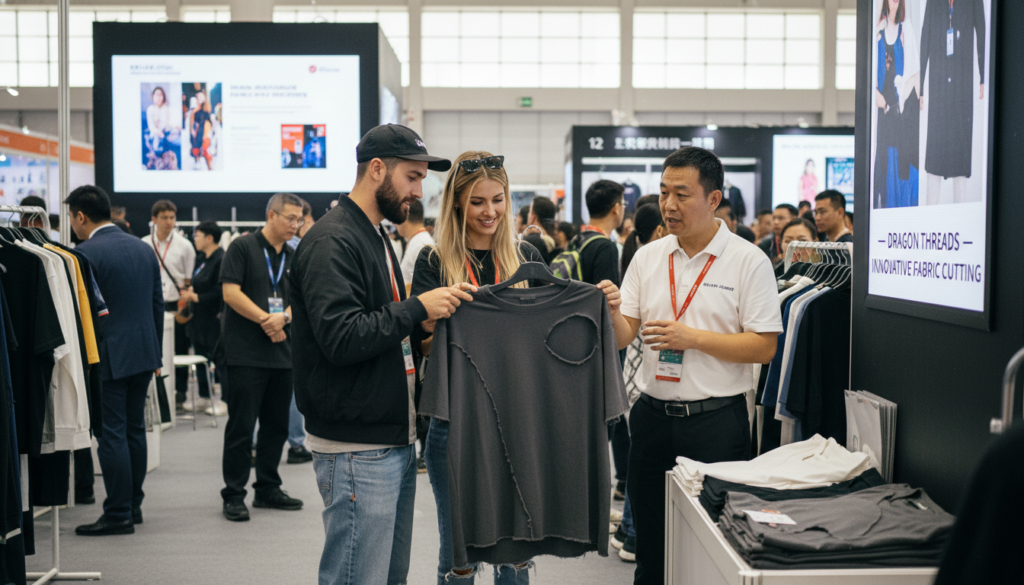
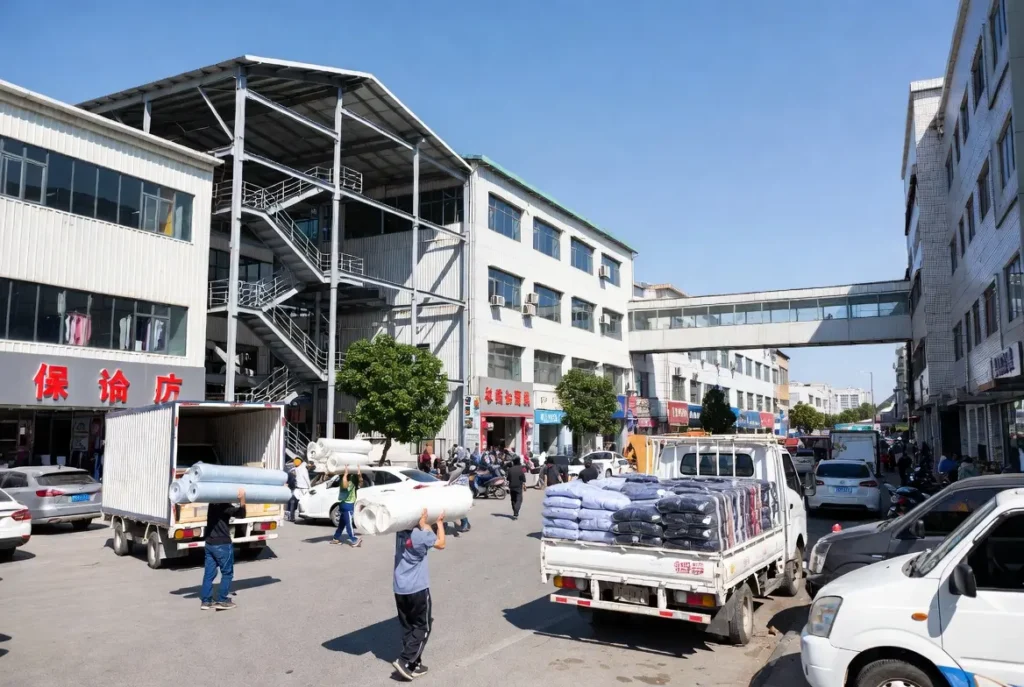
April–May is hands-down the smartest window for visiting China. That’s when the Canton Fair and multiple apparel-specific shows run back-to-back, letting you shake hands with dozens of streetwear specialists in one trip. Factories are freshest after Chinese New Year, samples are ready, and lead times are shortest—critical for cost control when you’re racing to launch a fall collection. September–October works too, but skip August when everyone’s swamped with back-to-school orders and negotiations drag.
Location-wise, zero in on Guangzhou and Dongguan’s Humen district—the undisputed streetwear manufacturing hub of China. Humen churns out heavyweight fleece, enzyme-washed cargos, and oversized hoodies faster and cheaper than anywhere else because the entire supply chain (fabric mills, dye houses, printers, sewers) sits within a 30-minute drive. Shenzhen is skippable unless you need ultra-tech gadgets or electronics integration. Booking flights and hotels in Humen during peak season can save you 15–20% on per-unit costs simply because you’re negotiating face-to-face with owners who control every step from yarn to box.
Pro tip for material selection: Use trade-show time to compare 300–500 GSM French terry swatches side-by-side. Factories here already stock the exact organic cotton and recycled polyester blends your Y2K or techwear drops demand—no extra sourcing fees.
2. Use Sourcing Agents to Slash Language Barriers and Hidden Costs
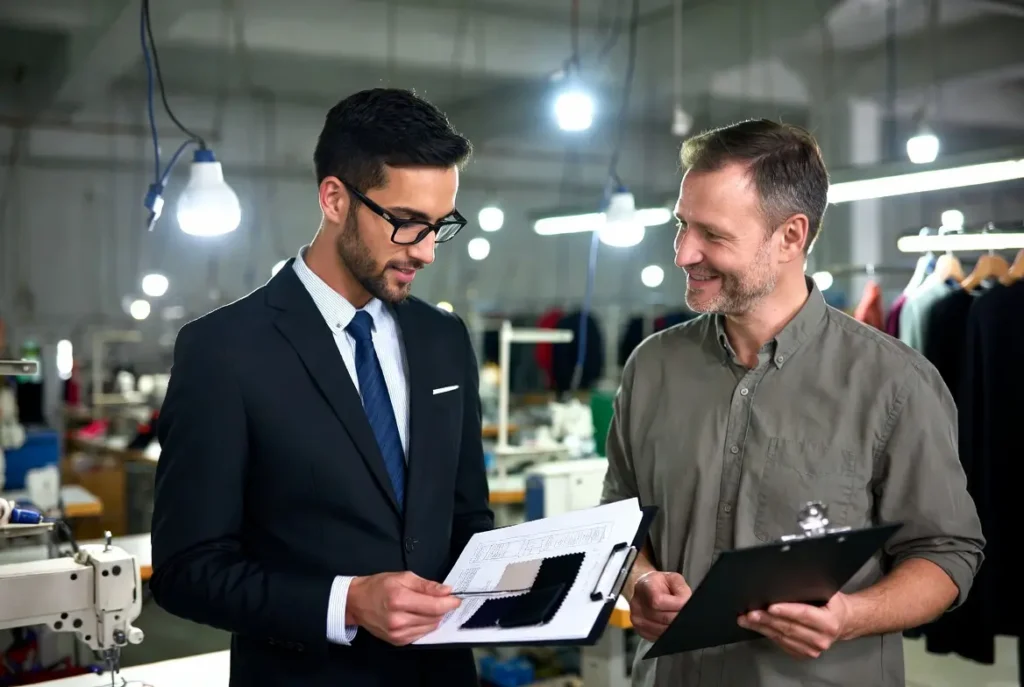
If you’re new to China sourcing, a sharp sourcing agent is your secret weapon for cost control and risk reduction. They vet factories, translate specs, run quality checks, and handle logistics—tasks that would otherwise eat weeks of your time and add 10–15% in mistakes. Good agents save money long-term by negotiating better fabric prices and spotting red-flag suppliers before you commit.
Skip generic Alibaba “agent” lists. Ask fellow brand owners on Reddit’s r/streetwearstartup or LinkedIn groups for personal referrals, then interview three. Top agents charge 5–8% but refuse tiny orders under $5k—perfectly reasonable once you’re past samples. They’ll also guide material choices: recommending hemp-cotton blends that hit the sweet spot between durability and softness for your signature oversized tees.
For cross-industry newbies needing full-process hosting, agents can bundle design-to-delivery, turning your sketch into shipped cartons in under 45 days.
3. Choose the Right Platform: Alibaba vs. Made-in-China
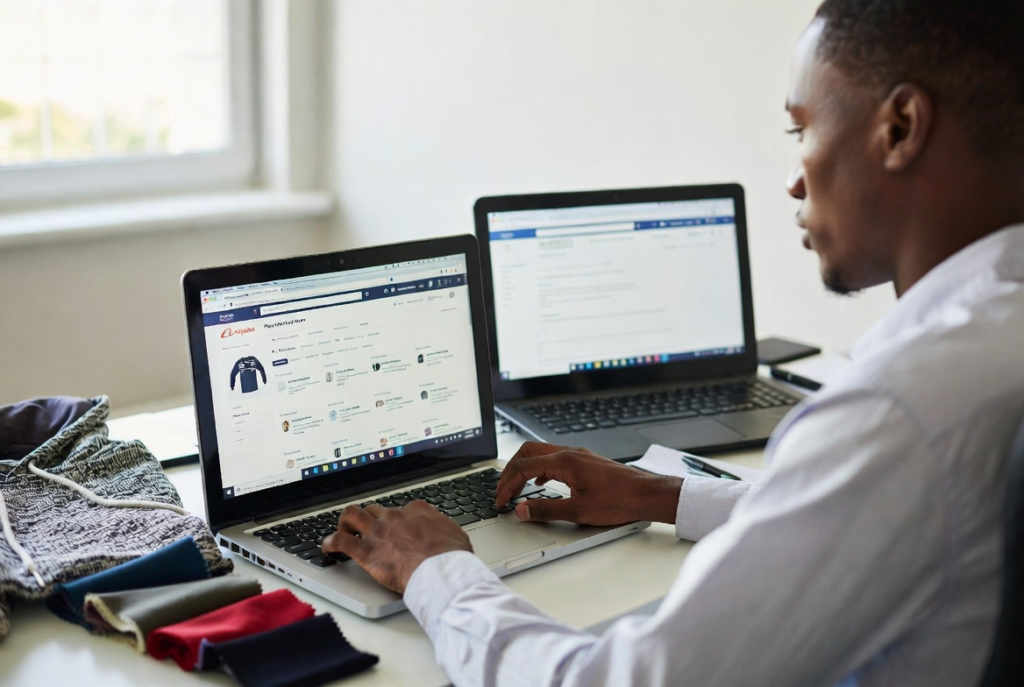
Platforms are your starting line, but picking the wrong one wastes time and inflates costs. Here’s the clear comparison every DTC founder needs:
| Platform | Pros | Cons | Best For | Typical MOQ | Best Material/Process Fit |
|---|---|---|---|---|---|
| Alibaba | User-friendly, fast samples, small orders | Variable quality, less verified | Indie startups, quick tests | 50–100 pcs | Lightweight tees, basic screen printing |
| Made-in-China | Certified factories, audit reports | Steeper MOQs, more formal | Mature brands, bulk runs | 200+ pcs | Heavyweight hoodies, complex embroidery |
Always demand video factory tours and recent shipment photos before sending deposits. Ask specifically about your processes—can they handle acid-wash on 380 GSM fleece without shrinkage? The right platform match cuts sampling costs by 30% and locks in the exact customization your brand identity demands.
4. Prepare Like a Pro for Direct Factory Visits
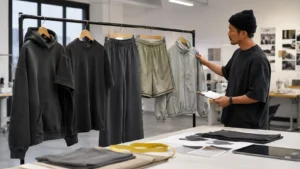
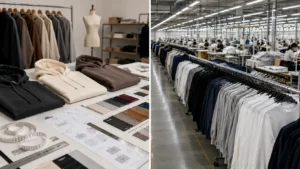
Contact factories two weeks ahead via WeChat or email with your tech pack. Arrive with clear questions: “How do you control shrinkage on garment-dyed cargos?” Factories that answer with precise timelines, fabric GSM specs, and sample photos are the reliable ones. Walk the floor—look for organized cutting tables, clean sewing lines, and in-house printing stations. Consistent quality and open communication on custom details (puff prints, 3D embroidery) signal they’ll protect your timeline and budget.
5. Negotiate MOQs and Customization Without Compromising Quality
Many factories quote high MOQs to filter tourists, but those already running similar streetwear styles will drop to 60 pieces per style—exactly what heavyweight hoodies, cargos, and pants cut-and-sew need for profitable test runs. Focus negotiations on shared fabric rolls and existing dye lots to slash costs 25%.
Here’s a practical process comparison table for your next collection:
| Customization Technique | Approx. Cost per Unit (100 pcs) | Durability (Wash Cycles) | Best Streetwear Application | Speed to Sample |
|---|---|---|---|---|
| Screen Printing | $1.20–$2.50 | 50+ | Bold graphics on tees & hoodies | 5–7 days |
| Embroidery | $3.80–$6.50 | 100+ | Premium logos & patches | 8–10 days |
| Puff / 3D Foam Print | $2.90–$4.80 | 40+ | Raised textures on oversized fits | 7–9 days |
| Acid / Enzyme Wash | $4.50–$7.00 | 60+ | Vintage distressed cargos & jackets | 10–12 days |
Link your choices to real custom fabric and printing options that keep everything under budget while looking premium on Instagram.
6. Lock In Quality with Samples and Third-Party Checks
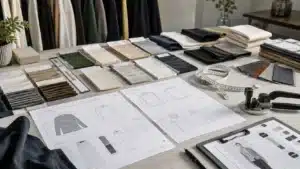
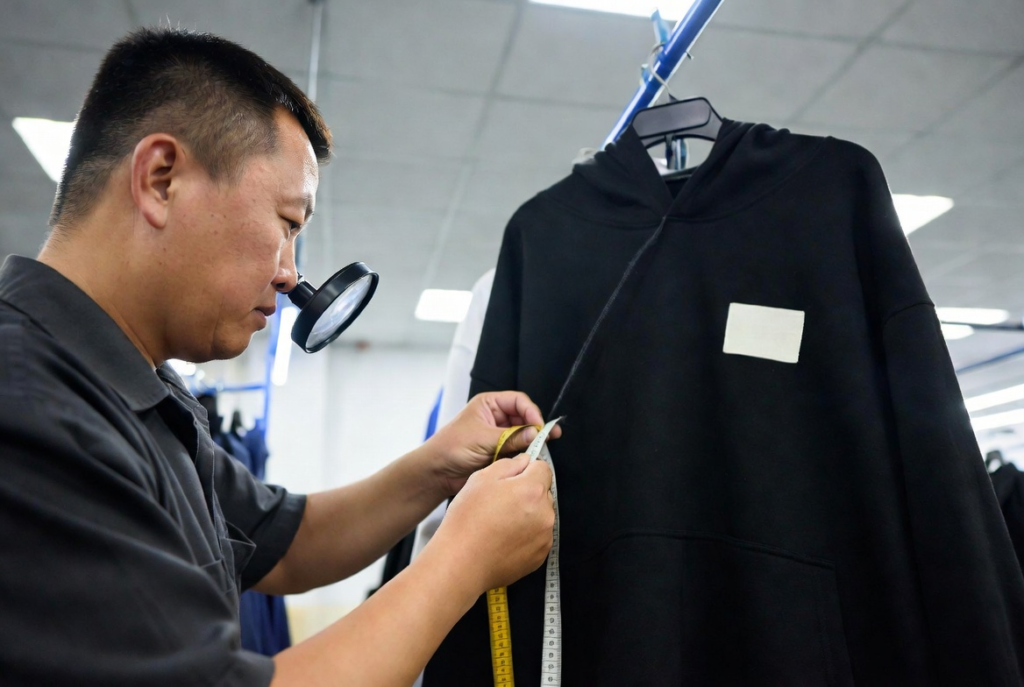
Never skip samples—even if MOQ talks get painful. Order three versions in your exact fabric and fit, then measure every seam. For peace of mind before bulk shipment, hire a third-party inspector (Asia Quality Focus or similar) to check stitching, color fastness, and packaging. This step alone prevents 20–30% of returns and protects your brand reputation.
See our detailed apparel quality control protocols that indie brands use to hit 99% pass rates.
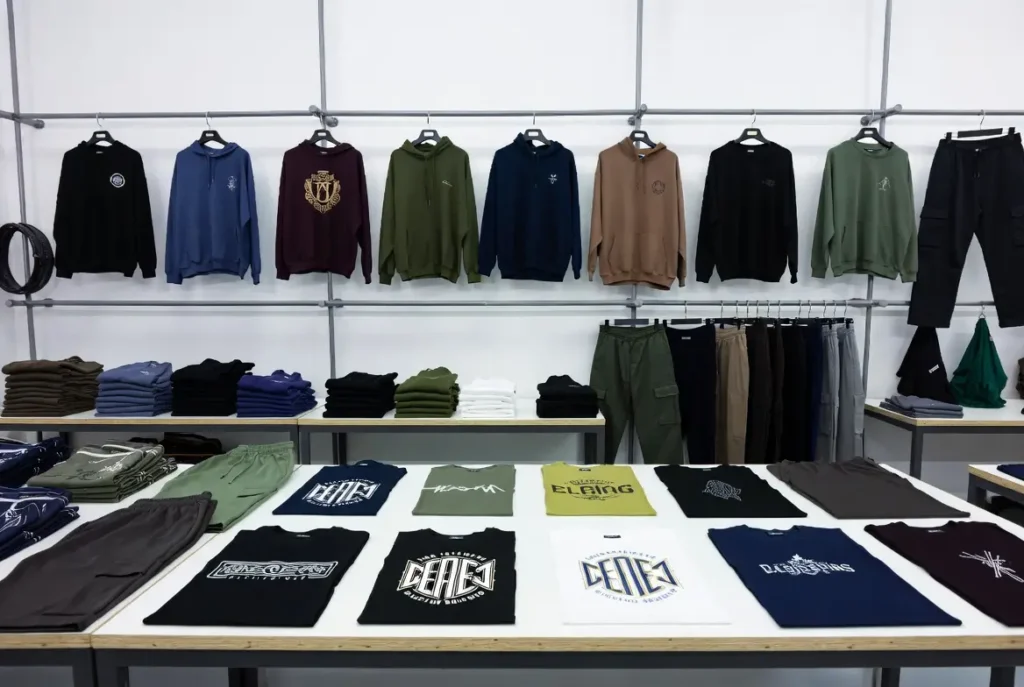
7. Explore Smart Alternatives If China Doesn’t Fit Perfectly
Print-on-demand services like Printful work for ultra-low volumes, while Vietnam and Bangladesh offer lower labor costs once you scale past 5,000 units. India excels in organic cotton basics. Weigh these against China’s unmatched speed and fabric variety—most streetwear brands still return to Dongguan for the full ecosystem.
FAQ
Q: What’s the lowest realistic MOQ for custom streetwear hoodies?
A: 30 pieces per style is common when the factory already runs similar heavyweight fleece.
Q: How do I verify a factory isn’t a middleman?
A: Request a live video tour and recent shipment records with your exact product category.
Q: Can I get sustainable fabrics without huge minimums?
A: Yes—ask for recycled polyester or organic cotton from mills they already stock.
Q: How long from sample to bulk delivery?
A: 35–55 days with a reliable partner who controls the entire chain.
Q: Should I use an agent for my first order?
A: Absolutely if under $10k or you’re new—saves more than it costs.
The Ultimate Production-Forward Advice
From years of OEM/ODM experience running full collections for global streetwear brands, here’s the trend that actually moves the needle: hybrid low-MOQ production that blends in-house fabric development with digital printing and traditional cut-and-sew. Factories that own their mills, print shops, and shipping partners deliver 40% faster turnaround and 15–25% lower landed costs than fragmented supply chains.
The smartest move for any DTC or indie brand? Partner with a professional manufacturer who treats your project as their own. Heziapparel does exactly that—offering flexible 60-piece MOQs, in-house heavyweight streetwear specialization, full-process hosting, and direct mill access for the exact materials and techniques your brand needs. Whether you’re testing a new acid-wash drop or scaling a full collection, we turn your vision into shelf-ready product without the usual sourcing drama.
Ready to skip the guesswork? Check our streetwear manufacturing strategies or drop your brief at heziapparel.com/contact-us and let’s build your next best-seller together. Your reliable custom clothing manufacturer in China is one conversation away.