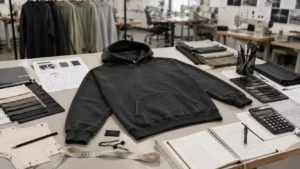
Introduction to Private Label Strategies in Streetwear Manufacturing
As a streetwear manufacturing expert and fashion designer steeped in the urban apparel industry, I’ve guided countless brands through the intricacies of building their own lines. For independent brand owners in Europe and the US scaling DTC e-commerce, mature mid-tier labels exploring innovative collaborations, or cross-boundary newcomers requiring full-process hosting for custom collabs and corporate merch, private label streetwear offers a pathway to ownership and differentiation. In 2026, with personalization trends surging and supply chains evolving, mastering private label means controlling your narrative from concept to consumer.
This sub-article expands on our core guide, 7 Proven Strategies for Streetwear Manufacturing Success in 2026, by outlining five key strategies for private label success. We’ll tackle practical challenges like customizing designs affordably, sourcing ethically, and branding effectively. Leveraging OEM/ODM insights, these tips foster stable supply chains. For basics, check our Private Label Fundamentals.
Private label empowers you to create unique products under your brand, but missteps in execution can lead to market flops. Let’s unpack strategies that deliver tangible results.
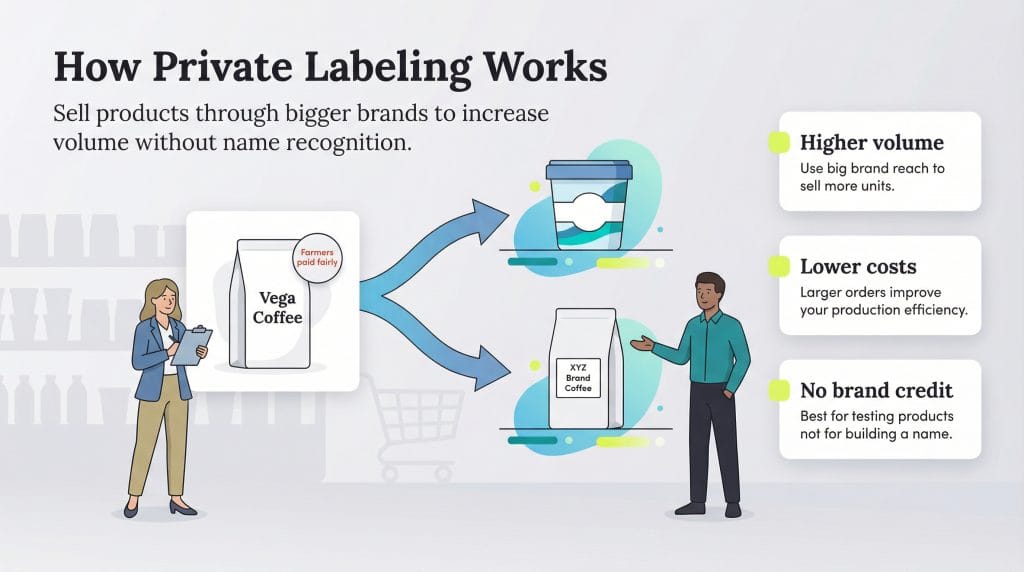
What Is Private Labeling and How Does It Work?
Strategy 1: Defining Your Brand Identity for Private Label
The foundation of private label streetwear lies in a crystal-clear brand identity. Indie brands should start by pinpointing their unique voice—urban grit, sustainable ethos, or tech-infused aesthetics—to guide design choices. This resolves common issues like mismatched products that confuse customers, ensuring cohesion across hoodies, tees, and accessories.
Conduct market research via tools like Google Trends to align with consumer preferences. For mature brands, integrate collab elements to refresh identity. Newbies benefit from ODM input for rapid ideation.
Comparison table for identity frameworks:
| Framework | Focus | Cost Implications | Best For |
|---|---|---|---|
| Core Values | Sustainability/Ethics | Medium (Eco-materials) | Eco-conscious DTC |
| Aesthetic Theme | Urban/Tech | Low-Medium | Innovative collabs |
This table shows how values-driven identities can justify premium pricing.

OEM vs ODM POLO Shirt Services: What’s Best for Your Brand?
Strategy 2: Selecting OEM/ODM Partners for Customization
Choosing the right OEM/ODM partner is pivotal for private label streetwear manufacturing. Opt for manufacturers with flexible customization, allowing indie brands to tweak fabrics and fits without massive MOQs. This addresses scalability hurdles, enabling small runs for market testing.
Vet partners through Alibaba Verified Suppliers for reliability. Mature brands can leverage ODM for design co-creation in collabs. Crossovers gain from full hosting, covering labeling to logistics.
Table contrasting partner types:
| Partner Type | Customization Level | Lead Time | Scenarios |
|---|---|---|---|
| OEM | High (Your specs) | 6-8 weeks | Custom fits |
| ODM | Medium-High (Design input) | 4-6 weeks | Quick launches |
ODM suits newbies for faster entry.
Strategy 3: Sourcing Materials for Brand Differentiation
Material sourcing defines your private label’s quality and uniqueness. Prioritize blends like recycled polyester for eco-appeal, solving durability vs. sustainability dilemmas in streetwear. DTC brands can source via integrated chains to cut costs.
Reference Textile Exchange for trends. For collabs, experiment with proprietary fabrics. Newbies use hosted sourcing for compliance.
Comparison:
| Material | Differentiation | Cost per Yard (USD) | Use Cases |
|---|---|---|---|
| Recycled Poly | Eco-innovation | 6-10 | Activewear |
| Organic Cotton | Premium feel | 8-12 | Basics |
Recycled options enhance brand story.
Famous Clothing Brand Logos Across The Fashion Industry
Strategy 4: Branding and Packaging for Market Impact
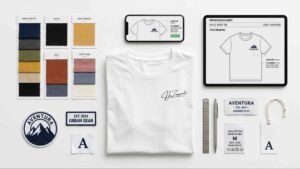
Effective branding turns private label streetwear into icons. Design logos and tags that resonate, using digital tools for mockups to avoid costly revisions. This tackles visibility issues in crowded e-commerce spaces.
Mature brands incorporate collab motifs for exclusivity. Enterprise customizers focus on durable packaging for merch.
Table:
| Element | Impact | Cost | Tips |
|---|---|---|---|
| Logo Design | Recognition | Low | Vector-based |
| Packaging | Unboxing experience | Medium | Sustainable materials |
Strong branding boosts perceived value.
Strategy 5: Optimizing Supply Chain for Private Label Efficiency
Streamline your supply chain to ensure timely deliveries in private label streetwear. Implement vertical integration for control, mitigating disruptions. E-commerce brands forecast via AI tools for inventory precision.
For innovations, partner with R&D-capable manufacturers. Newbies opt for end-to-end hosting.
Comparison:
| Optimization | Efficiency Gain | Challenges | Brands |
|---|---|---|---|
| Vertical Integration | 20-30% faster | Initial setup | Mature |
| Diversified Suppliers | Risk reduction | Coordination | Indies |
This ensures long-term stability.
A breakdown of the fashion supply chain – Wipro
FAQ: Common Questions About Private Label Streetwear
What’s the difference between private label and white label?
Private label is fully customized under your brand; white label uses generic products rebranded—private offers more uniqueness.
How low can MOQs go for private label startups?
Negotiate down to 100-200 units with flexible OEMs, ideal for testing without overstock.
Is private label more expensive than off-the-shelf?
Yes, 10-20% premium for customization, but higher margins from branding offset it.
How to protect designs in private label manufacturing?
Use NDAs and IP clauses in contracts with partners.
Can private label incorporate sustainable practices?
Source certified materials to appeal to eco-buyers, enhancing brand loyalty.
Conclusion: Elevating Private Label with Hezi Apparel Expertise
From Hezi Apparel’s OEM/ODM frontline, where we’ve mastered private label for a decade, the ultimate advice is hybrid models merging digital customization with sustainable sourcing—anticipating a 35% growth in personalized lines by 2027 amid consumer shifts. Professional manufacturers like Hezi Apparel can fulfill these strategies, providing end-to-end solutions for your supply chain challenges. Explore our Private Label Services to launch your iconic line.
Related Articles