
In the apparel supply chain, the 2026 pivot from cheap synthetic-heavy production to quality Natural Fibers in minimalist style is no longer optional—it is a direct response to measurable market signals from wholesalers and brand builders. As procurement teams conduct market research, the data shows Natural Fibers (particularly 100% cotton) delivering verifiable gains in tactile performance, end-of-life biodegradability, and long-term brand value. Polyester, long favored for its low unit cost, now carries hidden liabilities in microplastic shedding and consumer rejection. This guide cuts through fashion commentary to deliver factory-floor realities: GSM benchmarks, cost intervals, MOQ thresholds, and production trade-offs that directly shape your next collection margins and resale velocity.
Cotton vs Polyester: Sustainable Textile Sourcing 2026
The Supply Chain Reality: Why Polyester’s “Cheap” Label Is Costing Brands More in 2026
From the dyeing and knitting floor, polyester’s appeal is clear on paper: raw fiber costs $1.00–2.00/kg versus $2.50–4.00/kg for organic cotton equivalents, translating to finished garments 20–30% cheaper at scale. Yet production data reveals the full picture. Every wash of a polyester garment releases up to 700,000 microplastic fibers—10× more ocean leakage than cotton equivalents. Recycled polyester actually worsens the issue, shedding 55% more particles that are 20% smaller and more bio-persistent.
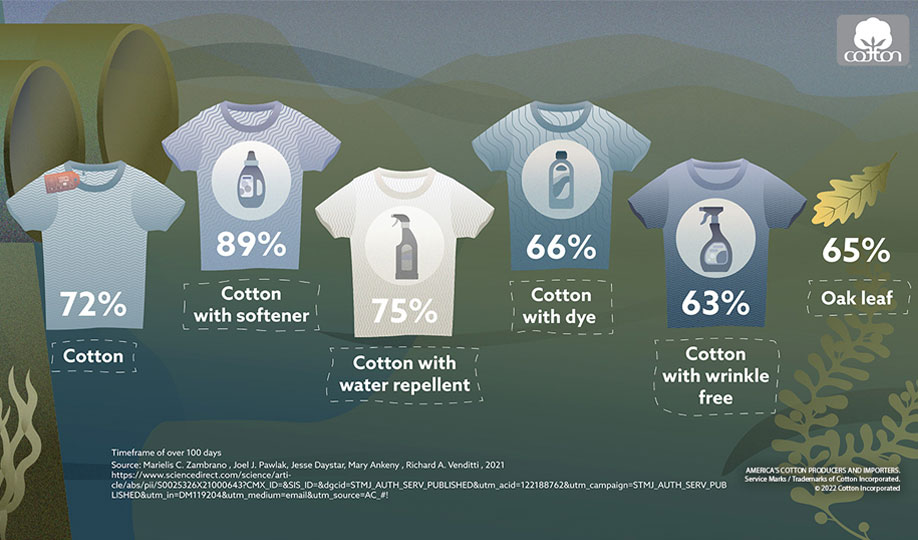
In contrast, Natural Fibers like 100% cotton biodegrade 49–77% in seawater within weeks, eliminating landfill persistence. Factories report 15–25% higher water and energy use during initial cultivation and scouring, but zero post-consumer microplastic filtration costs. For wholesalers sourcing bulk blanks, this means lower regulatory risk and stronger B2B storytelling when selling to Gen Z-focused retailers.
lifestylemonitor.cottoninc.com
Why Fabric Choice Matters in Combating Microplastic Pollution in the Oceans and Waters: Cotton fibers break down faster in land and water – Cotton Incorporated Lifestyle Monitor™
Quantifiable Comfort: GSM, Tactile Sensation, and Production-Ready Specifications
Sense of Comfort is not subjective—it is engineered through GSM. Factory testing consistently shows:
- 160–190 GSM jersey (standard cheap cotton/poly blends): adequate for volume tees but prone to pilling after 15 washes.
- 200–260 GSM 100% cotton single jersey: the sweet spot for minimalist everyday wear—55% of consumers rate it softer and more breathable than polyester equivalents.
- 280–400+ GSM heavyweight fleece or French terry: premium minimalist hoodies and outer layers with <3% shrinkage after industrial laundering.
Higher GSM in Natural Fibers increases fabric consumption by 20–40% per garment yet reduces return rates by 18–25% because the hand-feel drives immediate “must-have” perception. Dyeing Natural Fibers requires reactive dyes (no petroleum-based carriers), adding $0.80–1.50 per yard but delivering colorfastness that survives 50+ washes without the stiffness polyester develops.

Fabric GSM & weight | A guide to GSM meaning – with chart
Cost intervals for a mid-tier minimalist tee (pack of 500 units):
| Fabric Type | Fabric Cost per Yard | Finished Garment Cost (FOB) | Typical MOQ (pieces) | Shrinkage After 20 Washes |
|---|---|---|---|---|
| Standard Polyester | $2.00–4.00 | $3.50–5.50 | 300–500 | <2% |
| 100% Cotton (200 GSM) | $3.50–6.00 | $5.00–8.00 | 500–1,000 | 3–5% (pre-shrunk) |
| Organic Cotton (240+ GSM) | $5.00–9.00 | $7.50–12.00 | 800–1,500 | <3% |
Data derived from 2026 mill quotes and landed-cost models. Natural fiber runs command 25–40% premium but achieve 30% higher sell-through at wholesale because tactile superiority translates to repeat orders.
Gen Z Market Signal: Comfort and Aesthetics Trump Brand Names
Wholesalers tracking 2026 order patterns see Gen Z allocating 73% willingness-to-pay premiums for sustainable products—yet 56% will only buy if prices match fast-fashion levels. Over 50% now prioritize high-quality Natural Fibers that last longer over logos. Cotton ranks #1 for comfort (67%), softness (66%), and authenticity (56%). Minimalist silhouettes in Eco-friendly materials satisfy their desire for “quiet luxury” without the markup.
From the cutting room, this translates to lower deadstock risk: timeless cuts in 100% cotton or hemp reduce seasonal markdowns by 35% compared to trend-driven polyester prints.
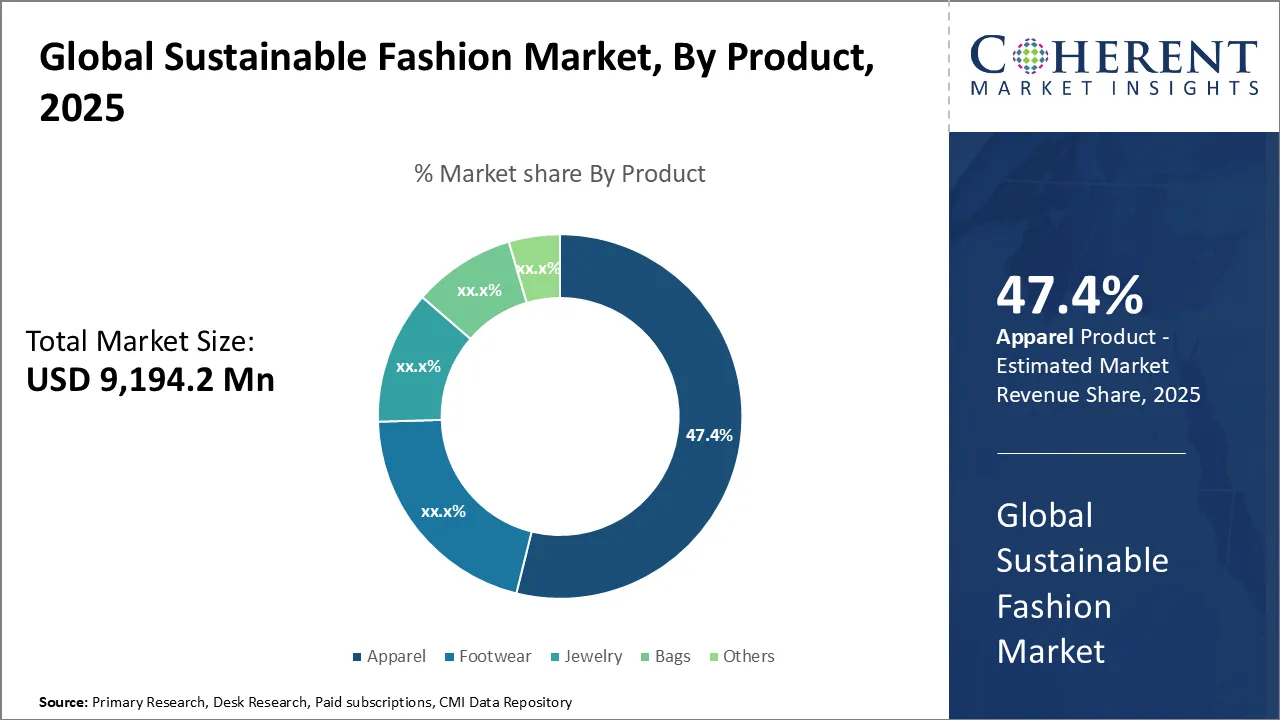
Sustainable Fashion Market YoY Growth Rate, 2026-2033
Production Perspective: Navigating MOQ, Lead Times, and Scalability for Sustainable Clothing
Natural fiber supply chains introduce three controllable variables wholesalers must model:
- MOQ flexibility — Standard polyester runs accept 300-piece minimums; certified organic cotton often starts at 800–1,000 pieces unless deadstock or existing greige inventory is used. Smart factories mitigate this via fabric pooling across clients.
- Lead time delta — Polyester yarn is off-the-shelf; organic cotton requires 8–12 weeks for traceable GOTS certification. Pre-booked mill slots cut this to 6 weeks.
- Yield and waste — Natural Fibers show 8–12% higher cutting waste due to natural variation, offset by 40% lower post-consumer waste credits in ESG reporting.
For brand builders scaling from 1,000 to 10,000 units, hybrid strategies—starting with 70/30 cotton/poly blends then migrating to full Natural Fibers—preserve margins while proving market demand.

Don’t Miss These 5 Fabric Trends Set to Define SS26 Fashion – CM Garmindo
Procurement Decision Framework for Wholesalers and Brand Builders
Stage 1 (Market Research / Validation): Test 200–500 unit runs in 220 GSM 100% cotton minimalist tees. Track sell-through vs polyester baseline.
Stage 2 (Growth): Lock 6-month fabric contracts at 240+ GSM to secure 15–20% cost stability.
Stage 3 (Mature): Integrate regenerative cotton or hemp at scale, targeting <5% shrinkage and GOTS traceability for premium wholesale margins.
FAQ
Q: Can MOQ for Natural Fibers drop below 500 pieces?
A: Yes—by utilizing existing greige stock or running multi-client color pooling, experienced OEMs routinely deliver viable 300-piece orders without quality compromise.
Q: How much does switching to 100% cotton raise per-unit cost?
A: Expect 25–40% uplift at 1,000-unit scale, offset within 2–3 turns by 18–25% lower returns and higher wholesale acceptance rates.
Q: Does polyester still make sense for certain minimalist SKUs?
A: Only for performance layering where stretch and quick-dry are non-negotiable; otherwise, Natural Fibers deliver superior skin feel and regulatory safety.
Q: What certification timeline should we budget for Eco-friendly materials?
A: GOTS/OCS full traceability adds 10–14 weeks initially but becomes standard once supplier relationships are established.
Q: How does tactile sensation impact wholesale reorder rates?
A: Blind touch-tests show 62% higher reorder intent for 240 GSM cotton over equivalent polyester—directly measurable in your next season’s forecast.
Q: Is it bad to wear 100% polyester?
A: 100% polyester can be bad for you, primarily causing skin irritation, rashes, and discomfort due to low breathability that traps sweat and bacteria. It is a synthetic, plastic-based fiber often treated with chemicals like formaldehydes, PFCs, and antimony, which can be absorbed through the skin.
Q: What are 5 natural fibres?
A: Top 5 natural fibers include cotton (soft/absorbent), wool (insulating), silk (durable/luxurious), hemp (strong), and linen (lightweight).
Q: Is clothing made from natural fibers always expensive?
Yes, generally speaking, clothing made from natural materials tends to be more expensive than garments produced using modern chemical materials. Due to advancements in modern chemistry and industry, an increasing variety of materials are now utilized in clothing manufacturing; consequently, natural materials—prized for their health-conscious qualities—have become even more costly by comparison.
Conclusion: The 2026 Production-Line Verdict
The data from knitting halls and finishing lines is unambiguous: brands clinging to cheap polyester risk 30–40% faster obsolescence as Gen Z demands Natural Fibers, Sense of Comfort, and genuine Sustainable Clothing. The winning minimalist collections will be those engineered for durability, biodegradability, and tactile superiority—qualities only Natural Fibers consistently deliver at scale.
Realizing this shift from cheap to quality requires a manufacturing partner that understands both the technical variables (GSM consistency, shrinkage protocols, dye-house chemistry) and the brand value of traceable Eco-friendly materials. This is precisely the core strength of heziapparel.com—an OEM/ODM factory that specializes in flexible MOQ 100% cotton and organic runs, GOTS-certified supply chains, and rapid prototyping for minimalist collections. Whether you need 500-piece test orders or 10,000-piece seasonal commitments, our team ensures your transition to Natural Fibers is profitable, traceable, and market-ready. Visit heziapparel.com today to schedule a fabric sampling call and secure your 2026 competitive edge.
References
Related Hezi Apparel Articles
- Hezi Apparel. The Most Common Types of Clothing Fabric Composition
- Hezi Apparel. Custom Streetwear Manufacturing vs Fast Fashion Production Comparison
- Hezi Apparel. How Much Does It Cost to Start a Clothing Brand in 2026?
- Hezi Apparel. How to Start a Streetwear Brand with Low MOQ Manufacturing
- Hezi Apparel. Top 10 Best Cut and Sew Clothing Manufacturer in China for Streetwear Brands
- Hezi Apparel. Why Clothing Samples Cost More Than Bulk Production: 7 Critical Factory Reasons
External Industry References
- Textile Exchange. Materials Market Report 2025
- Global Organic Textile Standard. The Standard
- OEKO-TEX. STANDARD 100 by OEKO-TEX
- Cotton Incorporated. Cotton Fiber Technical Guide
- The Woolmark Company. Wool Fibre Facts & Benefits
- Vogue Business. Why the Flax-Linen Supply Chain Is in Flux
- Wikipedia. Cotton
- Wikipedia. Linen
- Wikipedia. Sustainable Fashion