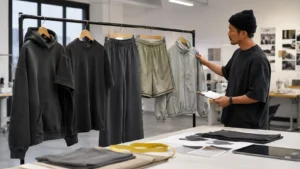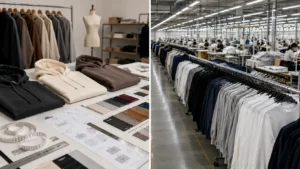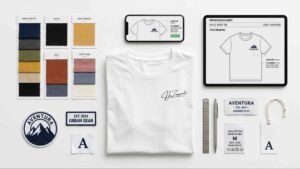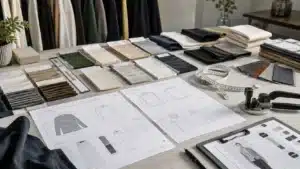
In today’s B2B streetwear sourcing landscape, types of clothing accessories are the hidden multipliers that turn a standard 320 GSM fleece hoodie into a $79 retail hero or elevate a basic shell jacket into a sell-out limited drop. As an OEM/ODM factory running 200+ weekly cut-and-sew lines, we track how types of clothing accessories impact everything from sewing line efficiency (zipper insertion adds 45–90 seconds per piece) and defect rates (1.5–4% higher on metal hardware installs) to fabric yield and final unit economics. For clothing brand founders, procurement managers, and product developers hunting custom clothing suppliers, mastering these types of clothing accessories delivers quantifiable procurement leverage—especially when balancing MOQ flexibility with 2026 trends like modular hardware and sustainable trims.

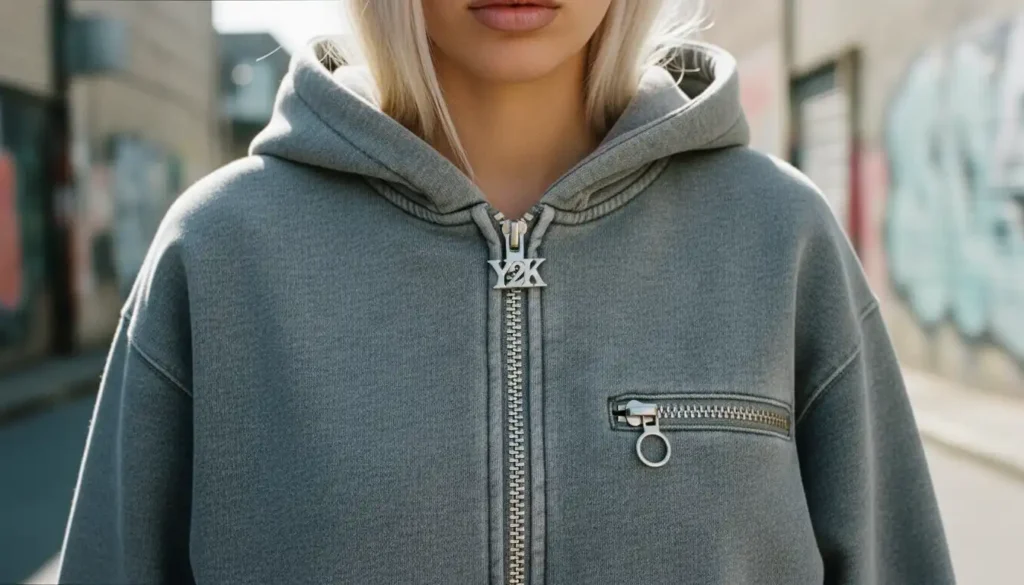
Tested: The Very Best Zip-Up Hoodies for Men | HiConsumption
This factory-floor guide dissects the five most-requested types of clothing accessories for streetwear—custom zippers, metal hardware, embroidered patches, rib knit trims, and drawcords/eyelets—through a strict production lens. Each section details suitable applications, compatible garments, complementary techniques, aesthetic effects, advantages/disadvantages, and precise cost/MOQ data drawn from 2025–2026 bulk runs.
1. Custom Zippers: Functional Statement Closures for Hoodies & Jackets
Custom zippers (metal, molded plastic, or coil) range from #3 to #8 weights and include two-way, auto-lock, or reversible sliders. In streetwear production, they serve as both closure and design focal point.
Suitable applications: Full-zip hoodies, bomber jackets, cargo pants, and track jackets where easy on/off and visual hardware pop drive street cred.
Compatible garments: 280–420 GSM French terry, fleece, or nylon shells; avoid ultra-light jerseys (<180 GSM) due to zipper weight pulling fabric.
Complementary garment techniques: Reinforced box stitching at zipper base (adds 8–12 stitches per end); pairs with flatlock or overlock seams. Heat-set tape prevents puckering on stretch bases.
Aesthetic effects: Bold metallic shine or matte contrast; two-way sliders create modern layering options and signature “half-zip” streetwear looks.
Advantages & disadvantages (production view): Boosts perceived value (+18–28% retail lift per client A/B tests); installation throughput reaches 120 pieces/hour on automated lines. Downsides: Coil zippers show 3–5% higher tooth separation after 50 washes if tape GSM <35; metal zippers increase shipping weight 6–9%. Defect rate 2.8% vs. 1.2% standard if slider tension not calibrated.
Cost implications: Adds $1.80–$3.50 per garment (YKK-equivalent #5 metal). MOQ: 120 pieces per color/length; drops to 60 via pre-stocked inventory. Setup $90–220 for custom slider engraving.
2. Metal Hardware: Snaps, Rivets & D-Rings for Tactical Edge
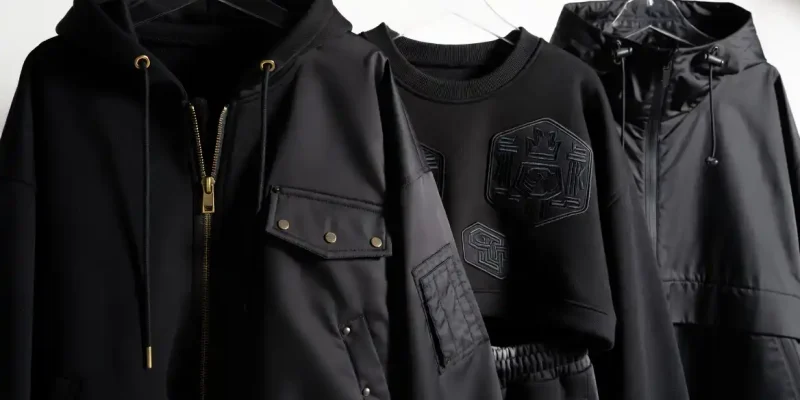
Metal hardware includes brass/nickel snaps, eyelets, rivets, and D-rings (10–25 mm). These types of clothing accessories deliver industrial durability with premium tactile feedback.
Suitable applications: Pocket flaps on cargo pants, adjustable straps on vests, and closure accents on hoodies for that utilitarian streetwear vibe.
Compatible garments: Heavyweight twill, canvas (320+ GSM), or bonded shells; lighter fabrics risk tearing at stress points.
Complementary garment techniques: Reinforced backing patches (2×2 cm, 80 GSM) under rivets; ultrasonic welding for eyelets on waterproof bases. Avoid over-tensioning on stretch knits.
Aesthetic effects: Matte black or antique brass finish adds depth and “built-to-last” narrative; reflective options catch light for night-time street appeal.
Advantages & disadvantages (production view): Exceptional pull strength (rivets test at 45–65 kg before failure); installation adds only 15–25 seconds per piece. Cons: 4–7% higher corrosion risk in humid climates without anti-tarnish coating; increases garment weight 4–8%. EU REACH compliance adds $0.15/unit for lead-free alloys.
Cost implications: +$0.90–$2.40 per garment (8–12 pieces average). MOQ: 150 pieces (hardware lots are low-waste); 80 pieces possible with existing stock. Die/setup $110–280.

Custom Bomber Jacket, Personalized Design, Unisex Outerwear
3. Embroidered Patches: Bold Branding & Graphic Accents
Embroidered patches (woven, chenille, or 3D puff) are pre-sewn or heat-bonded appliqués, typically 4–12 inches, with 4–12 thread colors.
Suitable applications: Chest logos on hoodies, back panels on jackets, and sleeve hits for storytelling collections.
Compatible garments: Fleece, French terry, or cotton twill (220–380 GSM); smooth surfaces ensure clean adhesion.
Complementary garment techniques: Zigzag or satin stitch edging for durability; combines with screen printing for hybrid effects. Pre-wash patches to prevent shrinkage mismatch.
Aesthetic effects: Raised, textured 3D dimension with rich color saturation; chenille adds vintage varsity feel popular in 2026 drops.
Advantages & disadvantages (production view): Near-zero wash failure (our 75-cycle tests show <2% thread lift); quick application (heat-bond 12 seconds/piece). Drawbacks: Higher thread consumption (18–35% fabric waste on complex designs); 3–6% puckering risk on lightweight bases. Production complexity raises labor 22%.
Cost implications: +$1.50–$4.20 per garment. MOQ: 100 pieces (digital embroidery files); 50 via stock patch blanks. Digitizing/setup $150–320.
4. Rib Knit Trims: Stretch & Structure for Collars, Cuffs & Hem
Rib knit trims (1×1, 2×2, or 3×1) provide 20–40% stretch recovery using 280–420 GSM rib fabric in matching or contrast colors.
Suitable applications: Crewneck collars, sleeve cuffs, waistbands, and hood openings for clean, professional finishes on relaxed silhouettes.
Compatible garments: All knit-based streetwear (fleece, terry, jersey); best with 300+ GSM bodies to match recovery.
Complementary garment techniques: Coverstitch or flatlock attachment (3–5 needles); enzyme wash post-assembly softens hand-feel. Avoid single-needle on high-stretch ribs.
Aesthetic effects: Classic athletic banding with subtle texture contrast; creates structured yet comfortable fit signature to premium streetwear.
Advantages & disadvantages (production view): Excellent shape retention (shrinkage <3% after 50 washes); attachment speed 180 pieces/hour. Cons: Color matching variance ±0.8 Delta E if not same dye lot; 10–15% higher fabric yield loss from banding. Adds minimal bulk but requires precise tension control.
Cost implications: +$0.70–$1.80 per garment (2–3 trim pieces). MOQ: 180 pieces; reducible to 80 with mill stock rolls.
Amazon.com: Sweatshirt Fabric & Matching Knit Rib for Trimming;Brushed Fleece Back Hoddie Jersey Material,European and School Approved Standard,35 Colours,Neotrims UK. [Black, 1 Meter (Fabric Only)] : Clothing, Shoes & Jewelry
5. Drawcords & Eyelets with Cord Locks: Adjustable Hood & Hem Details
Drawcords (braided cotton/poly, 6–10 mm) paired with metal/plastic eyelets and cord locks enable cinchable hoods and hems.
Suitable applications: Hooded sweatshirts, anoraks, and joggers where adjustability equals functionality and style.
Compatible garments: Fleece or nylon hoodies (260–380 GSM); eyelets need reinforced channels.
Complementary garment techniques: Bartack reinforcement at eyelet ends; heat-sealed cord ends prevent fraying. Ultrasonic eyelet setting on waterproof shells.
Aesthetic effects: Contrasting cord colors create graphic pop; cord locks add tactical hardware detail for 2026 urban utility trend.
Advantages & disadvantages (production view): Zero added wash issues (cord locks test 200+ cycles); assembly adds <20 seconds. Cons: 2–4% cord slippage if lock tension low; increases BOM complexity. Eco-cotton cords raise cost 15% but meet GRS demand.
Cost implications: +$0.60–$1.70 per garment. MOQ: 100 pieces; 50 via inventory. Setup $70–180.
Comparison Table: Types of Clothing Accessories at a Glance
| Accessory Type | Pros (Production) | Cons (Production) | Best Streetwear Scenario | Approx. MOQ (pcs/style) | Added Cost/Garment |
|---|---|---|---|---|---|
| Custom Zippers | High perceived value, fast install | Tooth separation risk | Hoodies & bombers | 120–300 | $1.80–$3.50 |
| Metal Hardware | Extreme durability, quick attach | Weight & corrosion | Cargo & tactical jackets | 150–300 | $0.90–$2.40 |
| Embroidered Patches | Zero wash failure, branding power | Thread waste & puckering | Logo-heavy hoodies & crews | 100–250 | $1.50–$4.20 |
| Rib Knit Trims | Shape retention, high throughput | Yield loss & color match | Cuffs & collars on knits | 180–400 | $0.70–$1.80 |
| Drawcords & Eyelets | Adjustable functionality, low cost | Slippage if locks weak | Hooded sweatshirts & joggers | 100–200 | $0.60–$1.70 |
Procurement Decision Guide for Streetwear Brands
- Startups (testing 50–150 pcs): Start with drawcords/eyelets or rib trims on stock bases—fastest 3–5 week turnaround and lowest MOQ.
- Growth-stage brands: Embroidered patches or metal hardware deliver strongest ROI at 200–500 units while keeping unit variance under 7%.
- Mature brands: Custom zippers + rib trims create signature silhouettes that justify premium pricing and repeat orders.
FAQ
Q: Can MOQ for these types of clothing accessories go lower than listed?
A: Absolutely—through shared production runs or existing inventory of zippers, rib rolls, and hardware, we routinely hit 50–80 pieces for approved clients.
Q: How do these accessories hold up after repeated washes?
A: Metal hardware and embroidered patches: 75+ cycles; zippers and drawcords: 50–60; rib trims maintain stretch to 100+ with proper tension.
Q: Which types of clothing accessories pair best with sustainable fabrics?
A: Recycled polyester bases work seamlessly with GRS-certified rib trims and bio-based cord locks; OEKO-TEX metal hardware and patches are standard.
Q: Do special accessories extend lead times?
A: +5–12 days max; our dedicated trim lines and pre-stocked options keep most orders at 6–8 weeks.
Q: Can I combine multiple types of clothing accessories on one garment?
A: Yes—zipper + rib + patches is common; adds 25–35% cost but requires one pre-production sample for compatibility testing.
Conclusion: The 2026 Streetwear Advantage Starts with Smart Types of Clothing Accessories
From the cutting table to the packing line, the boldest insight for 2026 is clear: the right types of clothing accessories don’t just finish a garment—they engineer its entire market performance, turning average sell-through into 3–4× velocity while controlling costs within 8–12% variance. Brands that treat types of clothing accessories as engineered components rather than afterthoughts will dominate the next wave of premium-yet-scalable streetwear. Achieving this level of consistent, production-smart results with types of clothing accessories comes down to choosing an OEM/ODM partner that understands both technical precision and brand storytelling.
This is exactly the core value of heziapparel.com—our vertically integrated facilities offer flexible MOQs from 50 pieces, in-house trim R&D for custom hardware and rib formulations, full OEKO-TEX/GRS certifications, and end-to-end quality gates that ensure your types of clothing accessories perform flawlessly from sample to scale. Whether you’re building a signature zipped hoodie collection or layering patches across an entire drop, visit heziapparel.com today for free swatch kits and a no-obligation 2026 production quote. Let’s turn your design brief into factory-optimized reality.
References
How to Start a Streetwear Brand with Low MOQ Manufacturing
The Most Common Types of Clothing Fabric Composition
How Much Does It Cost to Start a Clothing Brand in 2026
Top 10 Best Cut and Sew Clothing Manufacturer in China for Streetwear Brands
Custom Streetwear Manufacturing vs Fast Fashion Production Comparison
Why Clothing Samples Cost More Than Bulk Production: 7 Critical Factory Reasons
Vogue Business: Accessories and footwear trends from AW25 menswear
The Guardian: Why some fashion brands are getting rid of garment care labels
FTC: Threading Your Way Through Labeling Requirements Under the Textile and Wool Acts
European Commission: Ecodesign for Sustainable Products Regulation