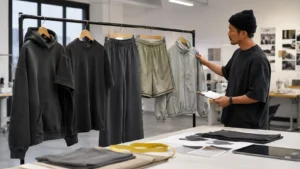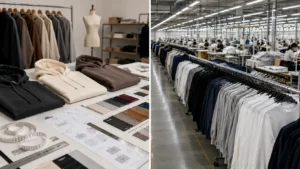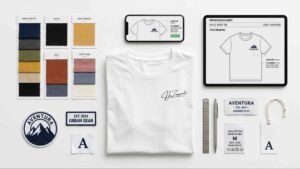
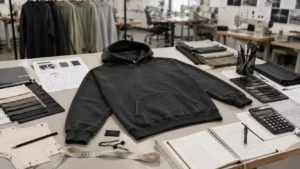
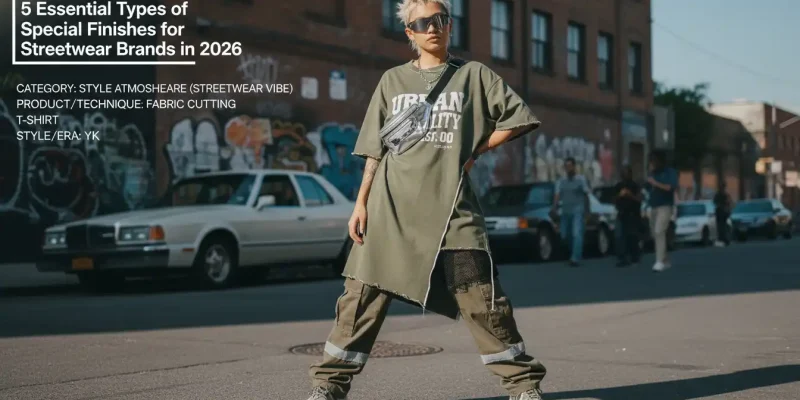
Special finishes are one of the fastest ways to make a streetwear collection feel original. A basic hoodie, T-shirt, sweatshirt, or cargo pant can become a premium product when the fabric has the right wash, color depth, texture, softness, fading, or worn-in effect.
For streetwear brands in 2026, the challenge is not only choosing a finish that looks good in photos. The finish must also match the fabric, print method, garment weight, MOQ, cost target, shrinkage control, and quality standard.
If you are building a private label collection, Hezi Apparel’s custom streetwear manufacturer service can help with fabric sourcing, sample development, washing, printing, embroidery, labeling, packaging, and bulk production.
What Are Special Finishes in Streetwear?
Special finishes are post-fabric or post-garment treatments used to change the look, hand feel, color, texture, or performance of clothing. In streetwear, finishes are often used to create vintage effects, faded tones, soft touch, worn edges, uneven color, or heavyweight premium texture.
Common finishing methods include garment dye, pigment dye, acid wash, enzyme wash, silicone wash, distressing, stone wash, brushing, coating, resin treatment, and vintage fading.
A finish should never be chosen only for aesthetics. It should be tested on the actual fabric before bulk production because different cotton, fleece, French terry, jersey, denim, and blended fabrics react differently.
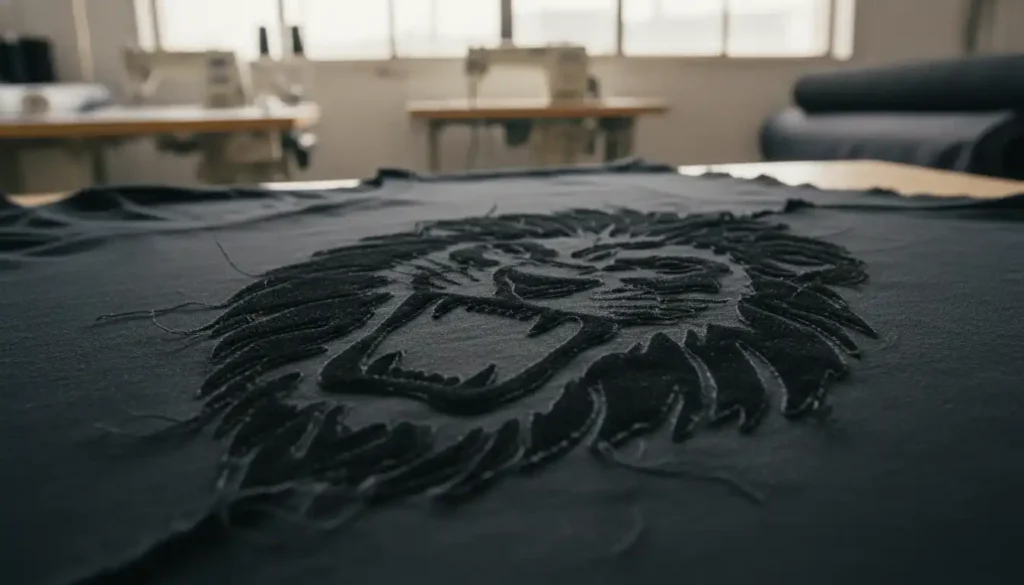
Quick Answer: Which Streetwear Finishes Matter Most in 2026?
The five most useful special finishes for streetwear brands in 2026 are garment dye, acid wash, enzyme wash, distressing, and soft-touch finishing. These finishes help brands create vintage color, worn-in texture, premium hand feel, and a stronger product identity.
For best results, brands should approve washed samples, test shrinkage, confirm colorfastness, and check print or embroidery compatibility before bulk production.
1. Garment Dye for Rich Color and Vintage Character
Garment dye is a finishing process where the finished garment is dyed after sewing. This creates a softer, more natural color effect compared with dyeing fabric before cutting.
Garment dye is popular for:
- Oversized T-shirts
- Heavyweight hoodies
- Sweatshirts
- Sweatpants
- Vintage streetwear basics
- Washed matching sets
The main advantage is color depth. Garment-dyed pieces often have subtle variation around seams, rib areas, hems, pockets, and stitching. This gives the product a lived-in streetwear look.
However, garment dye requires careful planning. The fabric, thread, rib, labels, and trims must be compatible with the dye process. If the wrong thread or label is used, the final garment may show uneven color or unwanted contrast.
For brands developing garment-dyed hoodies or tees, Hezi Apparel’s fabric and printing options page is a useful starting point for understanding how fabric choice and decoration methods affect the final result.
2. Acid Wash for Bold Streetwear Texture
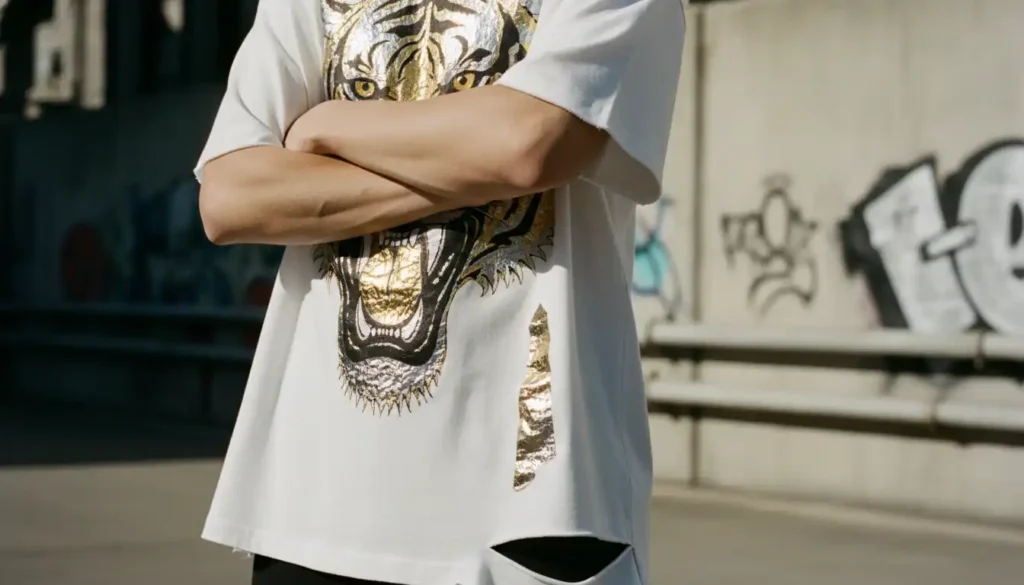
Acid wash creates a high-contrast faded effect, often with cloudy, uneven, or marbled patterns. It is widely used for hoodies, T-shirts, sweatshirts, denim, and vintage-style streetwear pieces.
Acid wash works especially well for brands that want:
- A bold vintage look
- Statement hoodie drops
- Graphic streetwear collections
- Washed black, charcoal, brown, or faded colorways
- Unique piece-to-piece variation
The key point is that acid wash is not perfectly uniform. Each garment may look slightly different. For streetwear, this is often part of the appeal, but brands must set realistic expectations before production.
Acid wash should be tested before bulk orders because it can affect fabric strength, shade consistency, shrinkage, and print appearance. If your product includes large screen prints, puff prints, or embroidery, approve a decorated washed sample first.
For hoodie projects, Hezi Apparel’s custom hoodies manufacturer service can help test wash effects on different fleece weights and silhouettes.
3. Enzyme Wash for Softness and Cleaner Aging
Enzyme wash is commonly used to soften cotton garments, reduce surface fuzz, and create a cleaner worn-in feel. It is often used for T-shirts, hoodies, sweatshirts, denim, and cotton streetwear basics.
Compared with aggressive vintage treatments, enzyme wash can feel more refined. It is useful when a brand wants softness and comfort without a dramatic acid-washed look.
Best use cases include:
- Premium blank T-shirts
- Soft fleece hoodies
- Minimalist streetwear
- Washed cotton basics
- Garments that need a smoother surface
Enzyme washing is often discussed as an alternative to harsher mechanical effects in denim and cotton processing. For brands that care about responsible chemical management, programs such as ZDHC Roadmap to Zero provide useful context around safer chemical management in fashion supply chains.
4. Distressing for Deconstructed Streetwear Details
Distressing adds controlled wear marks to a garment. This can include frayed hems, raw edges, small holes, abrasion, faded seams, worn cuffs, or damaged-looking panels.
Distressing is common in:
- Vintage T-shirts
- Oversized hoodies
- Denim jackets
- Cargo pants
- Washed sweatshirts
- Punk, grunge, and Y2K-inspired streetwear
The biggest risk is overdoing it. Distressing should look intentional, not defective. Brands should define exactly where the distressing appears, how large each area should be, and how much variation is acceptable.
A good tech pack should include reference photos, placement notes, size limits, and approval standards. During production, quality control should check that distressing does not weaken seams or damage key stress points.
If your brand needs lower-risk production for a first drop, Hezi Apparel’s low MOQ clothing manufacturer service can support smaller trial orders before scaling.
5. Soft-Touch Finishing for Premium Hand Feel
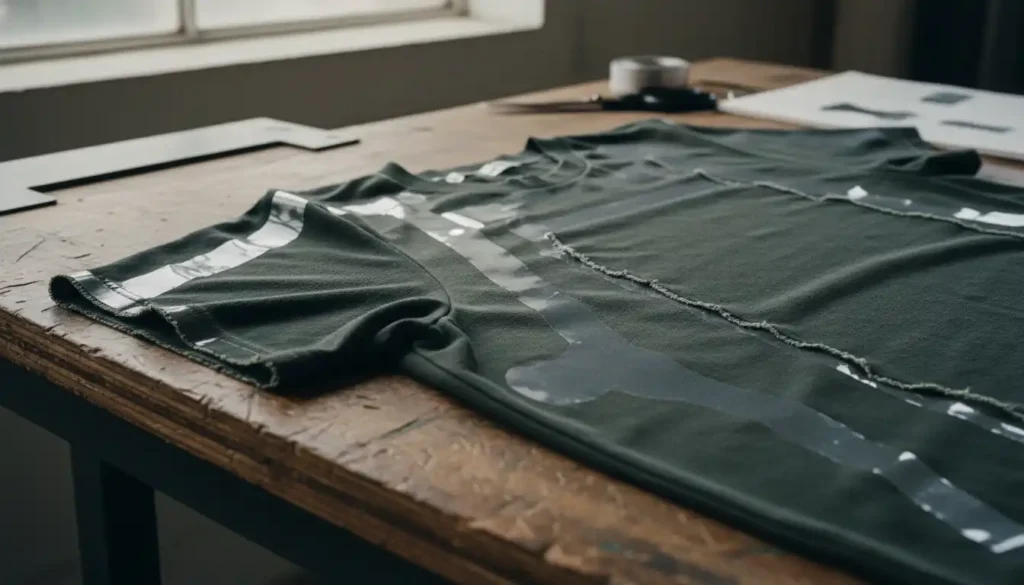
Soft-touch finishing improves the feel of the garment. This may include silicone wash, softener treatment, brushing, peach finish, or other hand-feel treatments depending on the fabric.
For streetwear, soft-touch finishing is important because customers often judge quality by touch. A hoodie can look good online, but if the fabric feels rough, stiff, or cheap, repeat purchases may suffer.
Soft-touch finishing works well for:
- Premium hoodies
- Heavyweight T-shirts
- Sweatpants
- Fleece sets
- Everyday streetwear basics
- Minimalist private label apparel
Brands should still be careful with chemical safety and compliance. Certifications such as OEKO-TEX STANDARD 100 are useful references because they focus on textiles tested for harmful substances. For broader chemical and textile responsibility, bluesign is another recognized industry resource.
How to Choose the Right Finish for Your Streetwear Collection
Choosing a finish depends on brand positioning, product type, retail price, fabric, and customer expectation.
| Finish Type | Best For | Main Risk |
|---|---|---|
| Garment dye | Vintage color and premium basics | Shade variation and shrinkage |
| Acid wash | Bold statement streetwear | Uneven effect or fabric damage |
| Enzyme wash | Soft, clean worn-in texture | Subtle effect may be less visible |
| Distressing | Deconstructed vintage style | Can look defective if uncontrolled |
| Soft-touch finish | Premium comfort and hand feel | Must match chemical safety expectations |
If your brand wants a premium but wearable collection, garment dye plus soft-touch finishing is often a strong choice. If your brand wants a bolder visual identity, acid wash or distressing can make the product more recognizable.
Production Checklist Before Bulk Finishing
Before approving any special finish, check these points:
- Confirm fabric composition and GSM.
- Test the finish on the real fabric.
- Approve a finished sample, not only a blank sample.
- Check shrinkage after washing.
- Confirm colorfastness and rubbing resistance.
- Test print or embroidery after finishing.
- Define acceptable color variation.
- Confirm label and trim compatibility.
- Review packaging after washing or dyeing.
- Run final quality control before shipment.
For production-side inspection, Hezi Apparel’s apparel quality control page is useful for brands that want to reduce risk before shipping finished goods. Third-party providers such as SGS softlines testing can also support textile testing when external verification is needed.
FAQ
What is the best finish for streetwear hoodies?
Garment dye, acid wash, enzyme wash, and soft-touch finishing are all strong options for streetwear hoodies. The best choice depends on whether the brand wants vintage color, bold texture, softness, or premium hand feel.
Does acid wash work on all fabrics?
No. Acid wash should be tested before bulk production because different cotton, fleece, French terry, and blended fabrics react differently. Always approve a washed sample first.
Can special finishes affect garment size?
Yes. Washing, dyeing, enzyme treatment, and softening can affect shrinkage and measurements. Brands should check the sample after washing and confirm size tolerance before bulk production.
Should printing happen before or after garment washing?
It depends on the design and finish. Some prints should be applied after washing, while others need to be tested before and after finishing. Always approve a decorated sample before production.
Can Hezi Apparel help with special finishes?
Yes. Hezi Apparel can help with garment dye, acid wash, enzyme wash, soft-touch finishing, distressing, fabric sourcing, sampling, printing, embroidery, labels, packaging, and quality control. You can contact the team through the Contact Us page.
Conclusion
Special finishes can turn simple streetwear products into memorable brand pieces. In 2026, the most practical options for streetwear brands are garment dye, acid wash, enzyme wash, distressing, and soft-touch finishing.
The right finish should match the fabric, fit, print method, MOQ, price point, and customer expectation. The safest path is to test samples, approve the finished garment, check shrinkage, and control quality before shipment.
Hezi Apparel supports custom streetwear production for brands that need special finishes, low MOQ sampling, fabric sourcing, decoration, labeling, packaging, and bulk manufacturing. For your next collection, prepare your target finish, fabric weight, color reference, artwork, quantity, and launch timeline before requesting a quote.